
CandiDesk

CandiDesk Blog

Ideas and field notes on AI first recruiting.

Practical writing from the CandiDesk team on screening, outreach, and running a recruiting desk with an assistant that never sleeps.
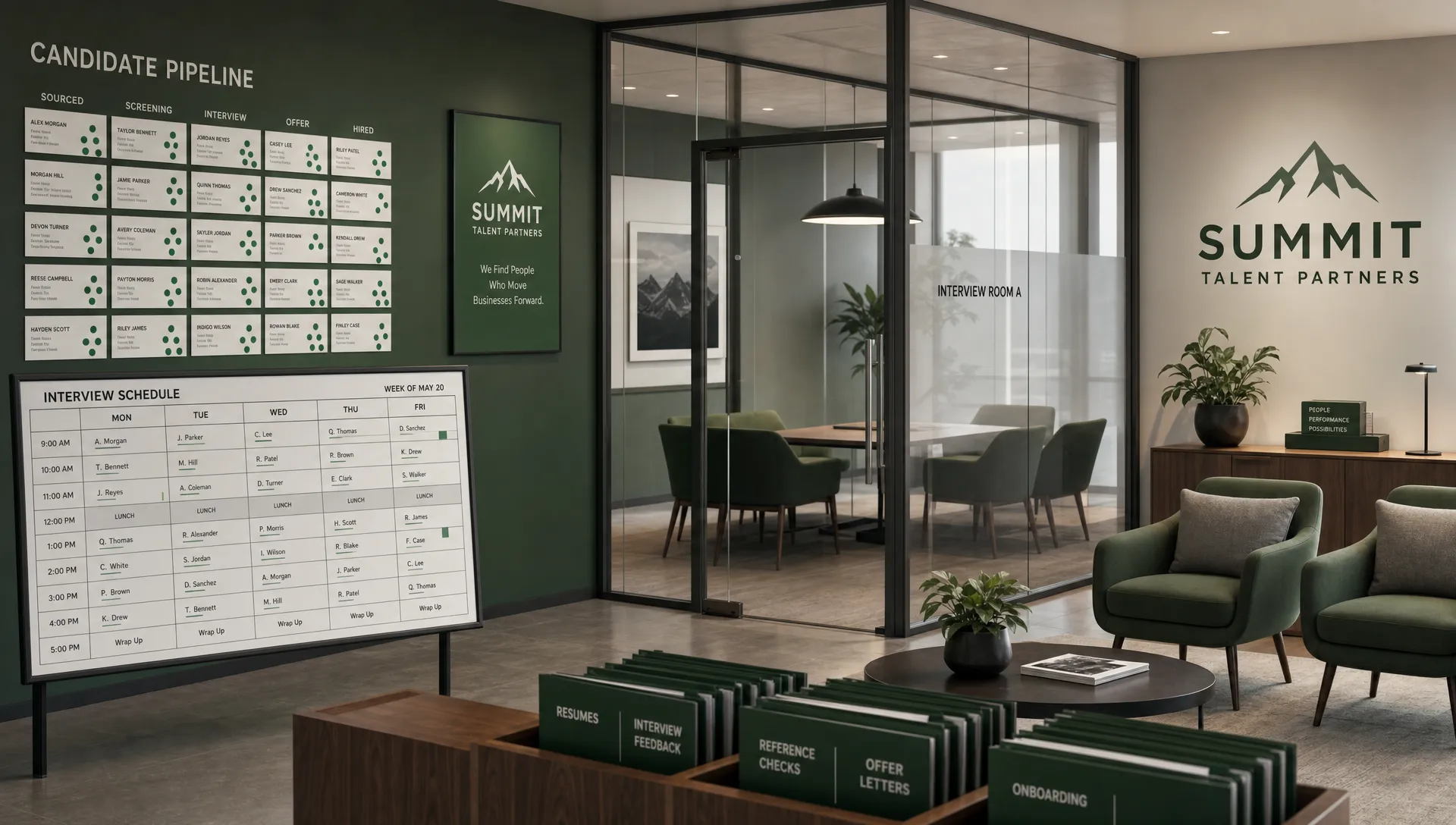
A modern recruiting office shows interview scheduling boards, candidate notes, and a glass meeting room.

September 12, 2026

How Diversity Hiring Builds Stronger, More Equitable Teams

Fair hiring is not about lowering standards. It is about defining them clearly, widening access and using consistent evidence so stronger teams can grow without leaving equity to chance. For recruiters, that means better intake, screening and follow-through.

Read the article →
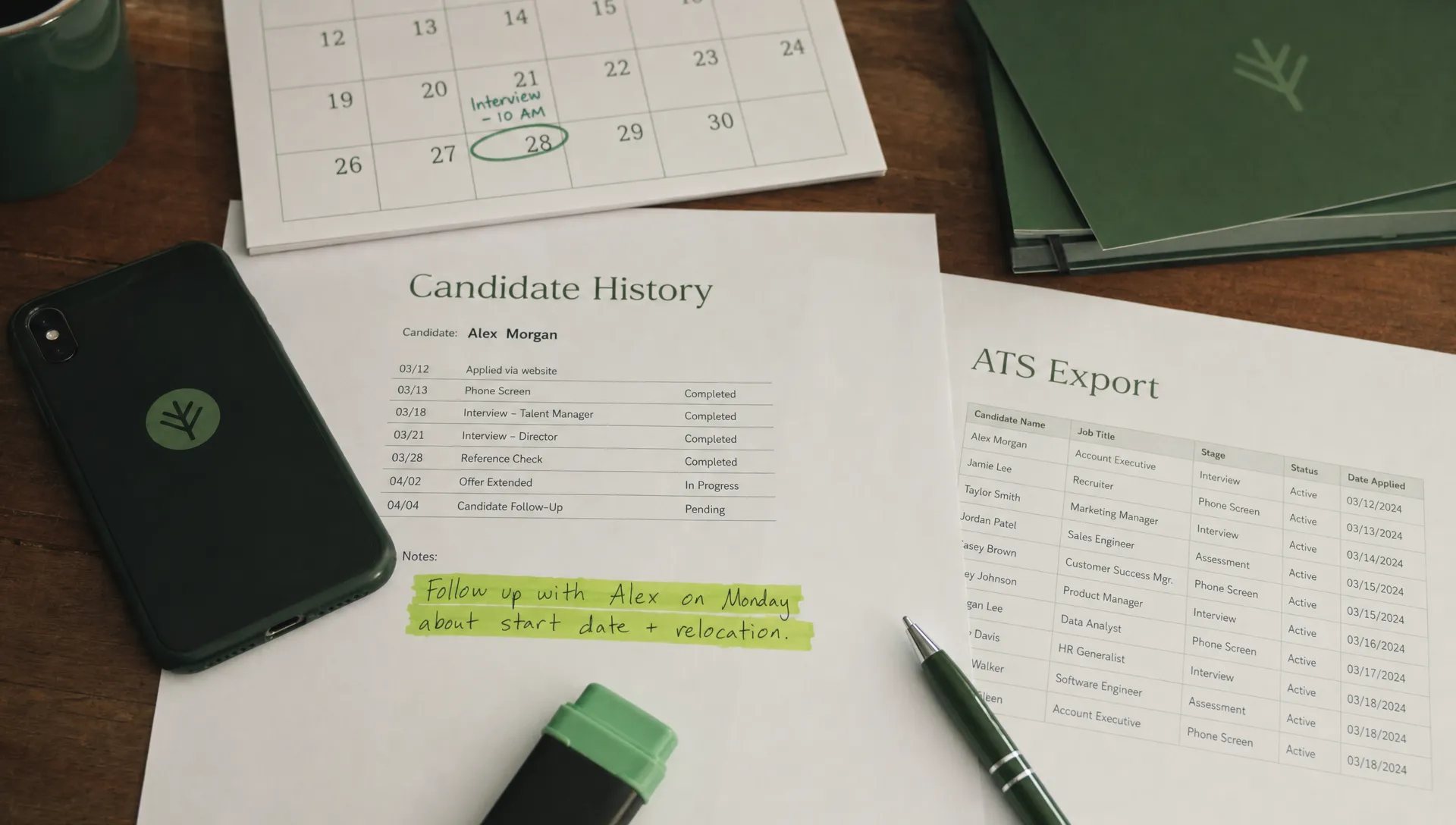
A candidate history sheet, follow-up note, calendar, and phone sit on a recruiter’s desk.

September 12, 2026

How CRM Software Improves Recruiter Follow-Up

Recruiter follow-up breaks down when conversations, reminders and context live in separate tools. This guide explains how CRM workflows make outreach timelier, more personal and easier to manage without removing recruiter judgment.

Read the article →
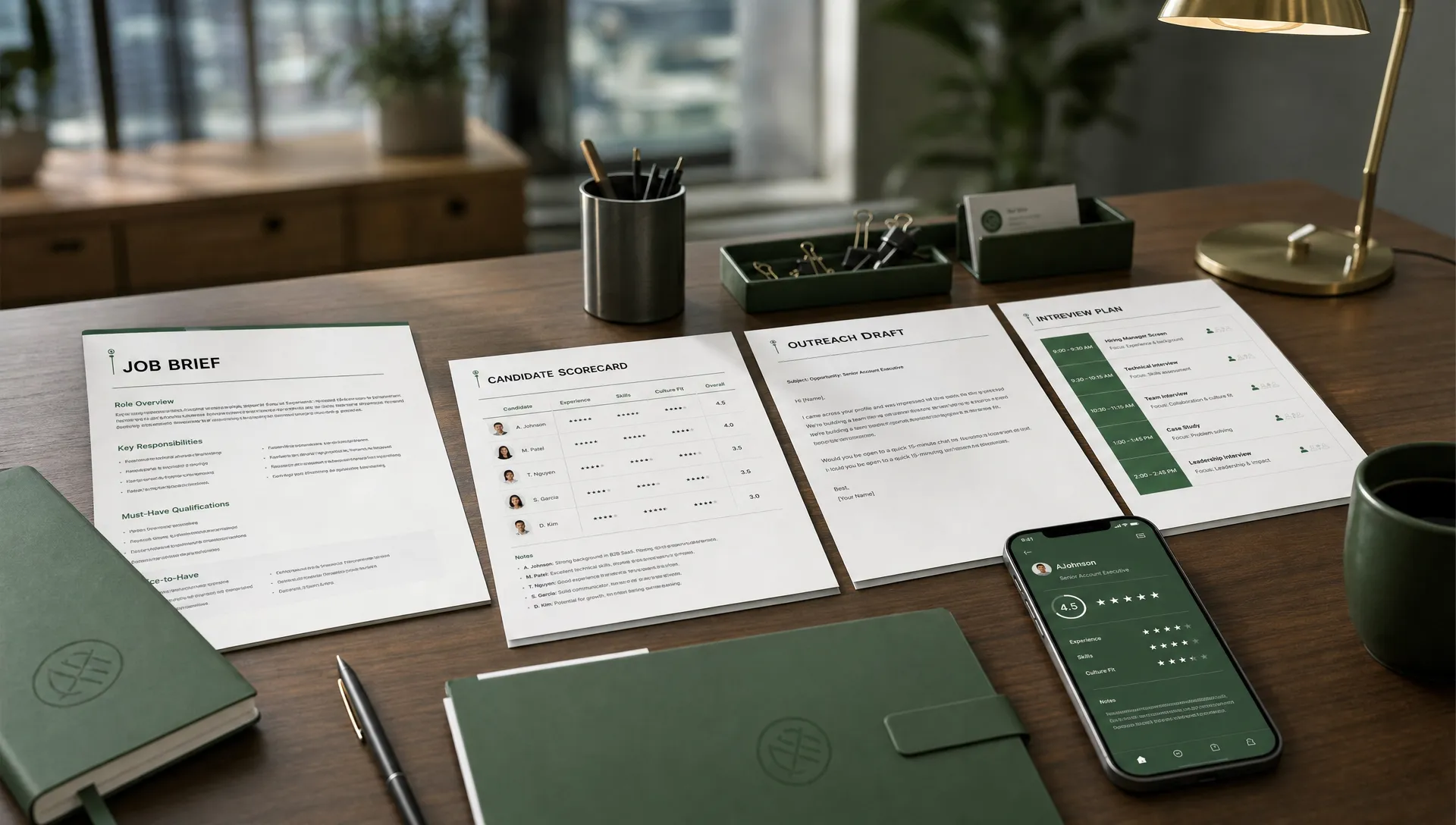
A desk arrangement shows AI recruiting workflow items, including a job brief, scorecards, outreach drafts, and interview times.

August 16, 2026

Best AI Recruiting Tools for Agencies and HR Teams

Choosing AI recruiting software is easier when you match tools to workflow, not hype. This guide compares leading options for agencies and HR teams across intake, screening, sourcing, interviews, scheduling, and governance.

Read the article →
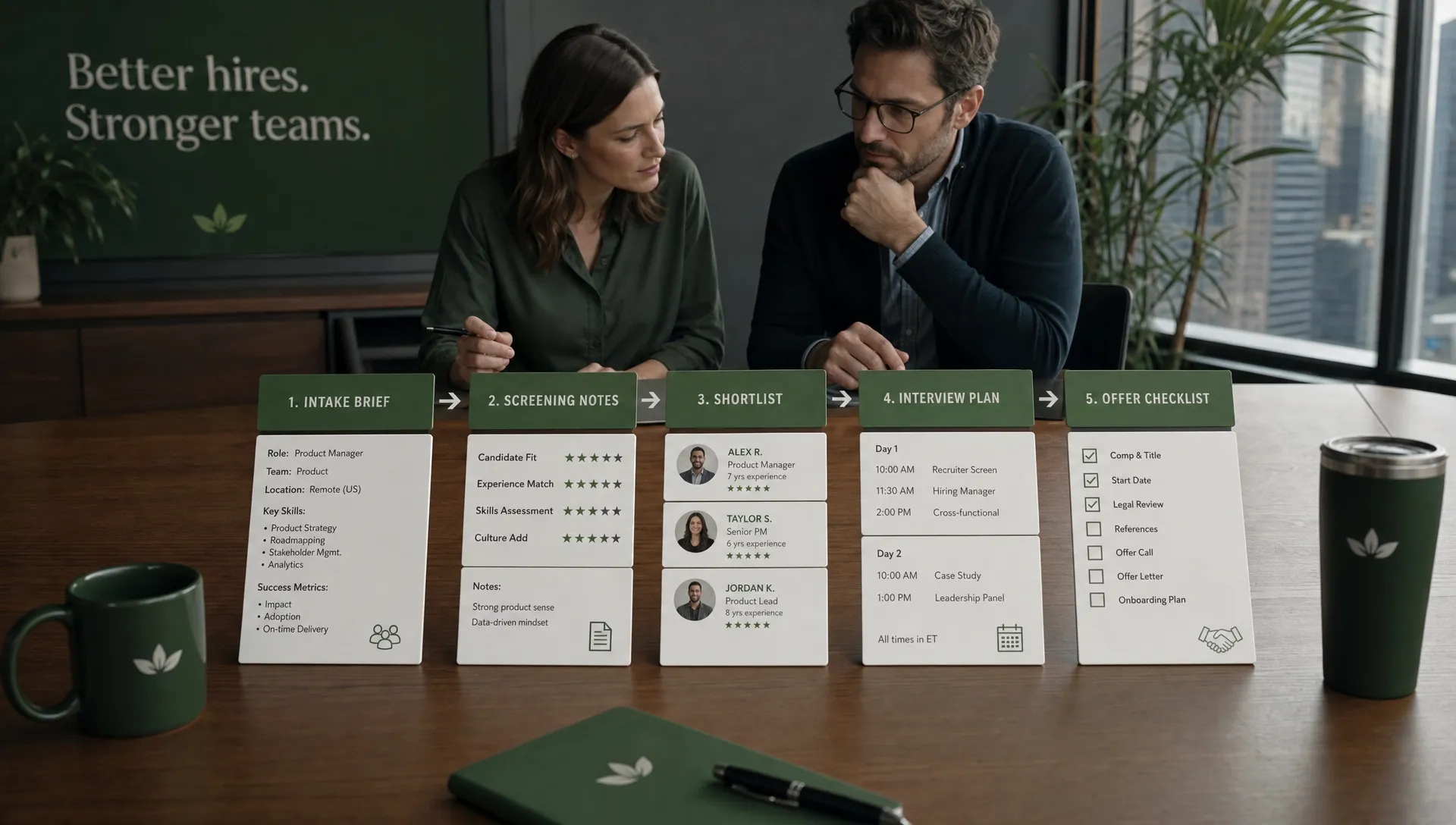
A landscape scene built around a clear hiring pathway: intake brief, screening notes, shortlist cards, interview time blocks, and offer checklist arranged in a clean line across a conference table, with two recruiters visible at the far end of the frame reviewing the steps; the mood should feel focused, efficient, and evidence-driven.

August 15, 2026

How to Hire Tech Talent in a Competitive Market

A competitive tech market rewards hiring teams that move quickly without losing rigor. This guide shows how to clarify roles, improve sourcing, screen with evidence, and use AI responsibly to win stronger candidates.

Read the article →
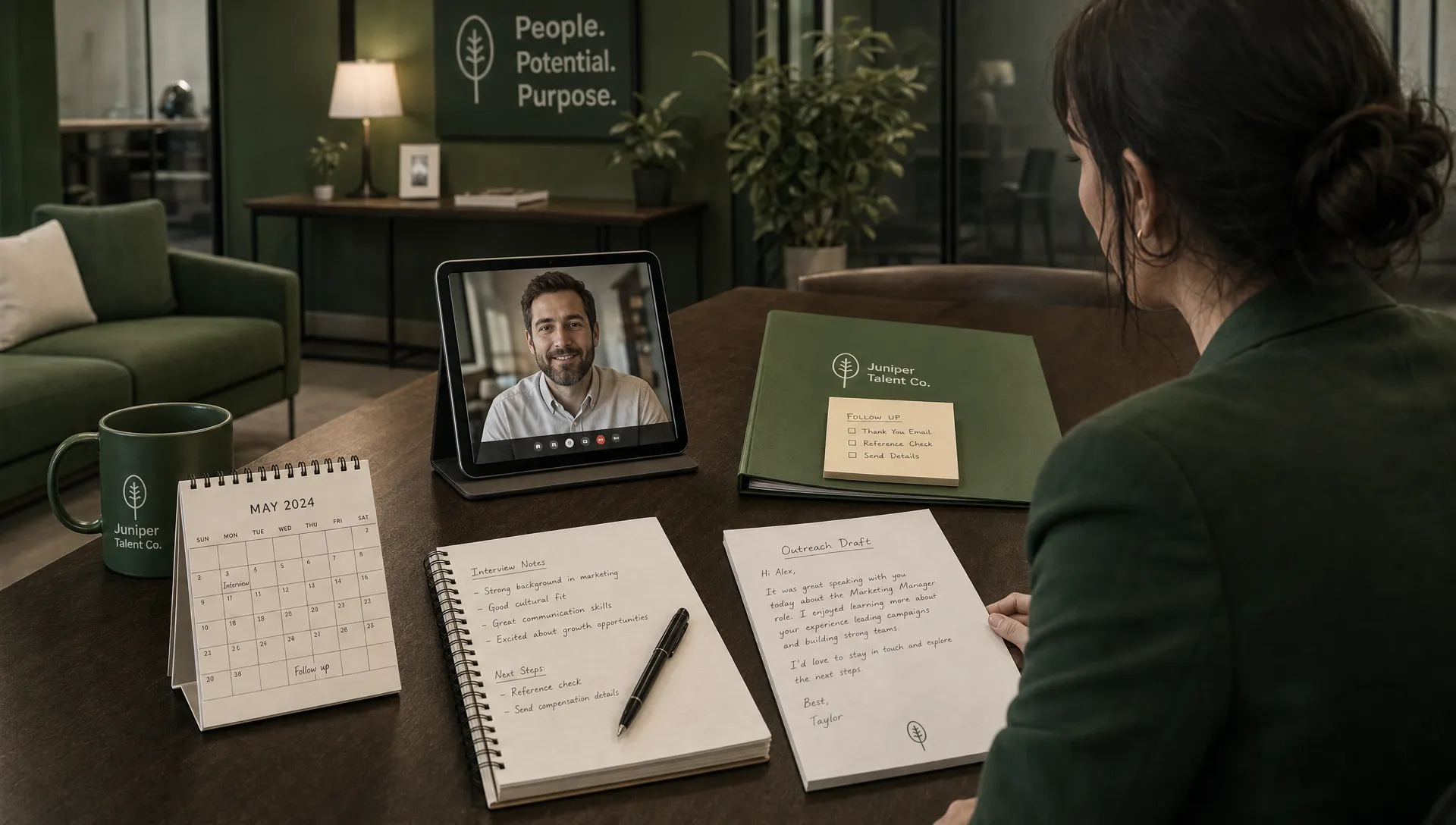
A wide scene in a modern office showing a recruiter at a conference table on a live video call with a candidate on a tablet facing the camera, while a calendar, interview notes, and a short outreach draft are spread neatly in the foreground; the background should show a calm hiring workspace with subtle signs of coordinated follow-up and no other screens visible.

August 14, 2026

Why Candidate Experience Platforms Boost Conversions

Better candidate experience is not just employer branding. It directly affects apply rates, response rates, interview attendance, and offer acceptance when every step is fast, clear, and human.

Read the article →
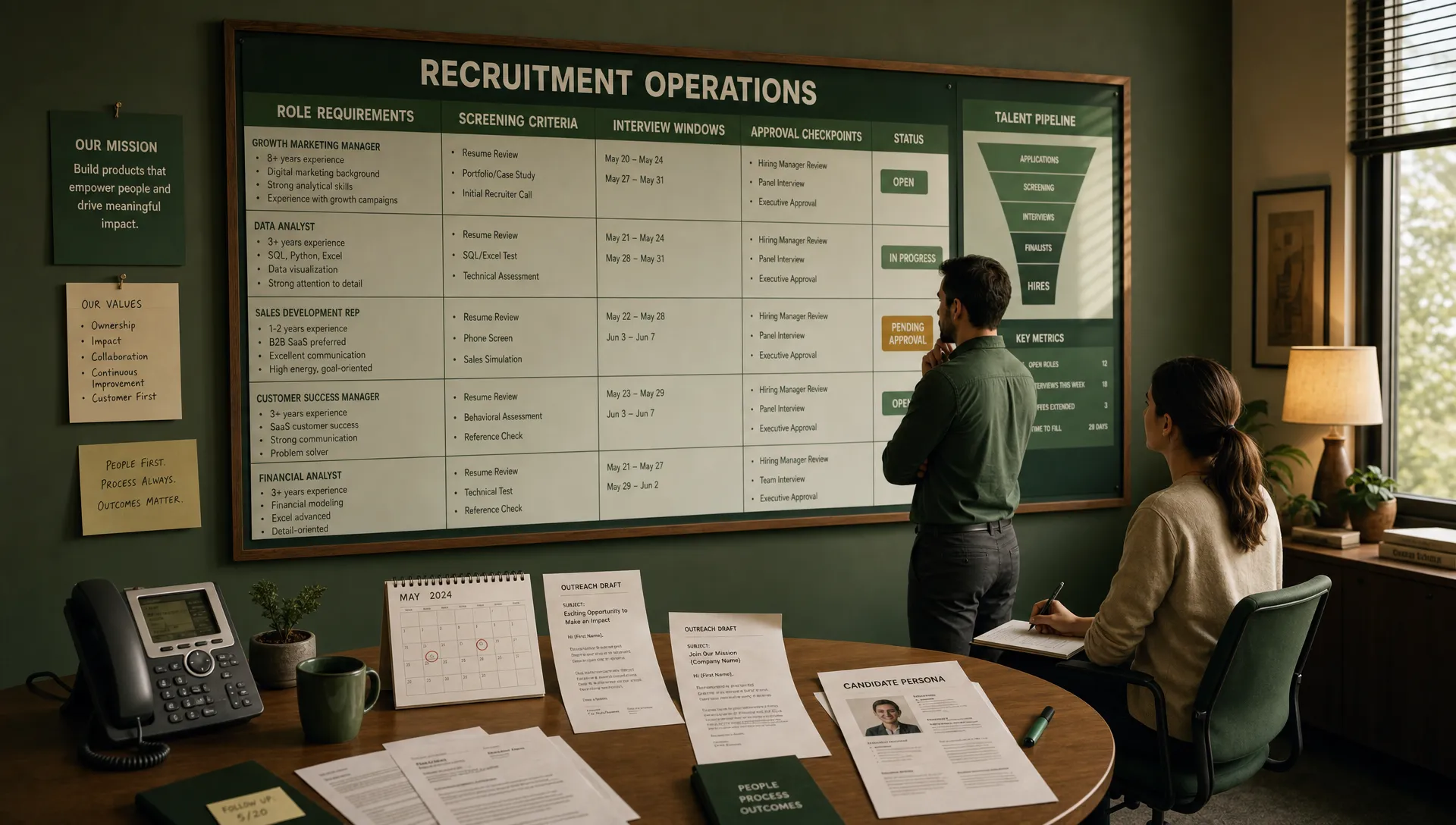
A landscape scene inside a recruitment operations room showing a wall-mounted planning board with role requirements, screening criteria, interview windows, and approval checkpoints, while a side table holds a phone, printed outreach drafts, and a calendar; the composition should feel process-driven and operational, with a broader room view and no laptop-centered focus.

August 13, 2026

How to Use ChatGPT for Recruiting the Right Way

ChatGPT can speed up recruiting, but only when it supports structured decisions instead of replacing recruiter judgment. This guide shows how to use prompts, scorecards, review steps, and automation safely across intake, screening, outreach, and scheduling.

Read the article →
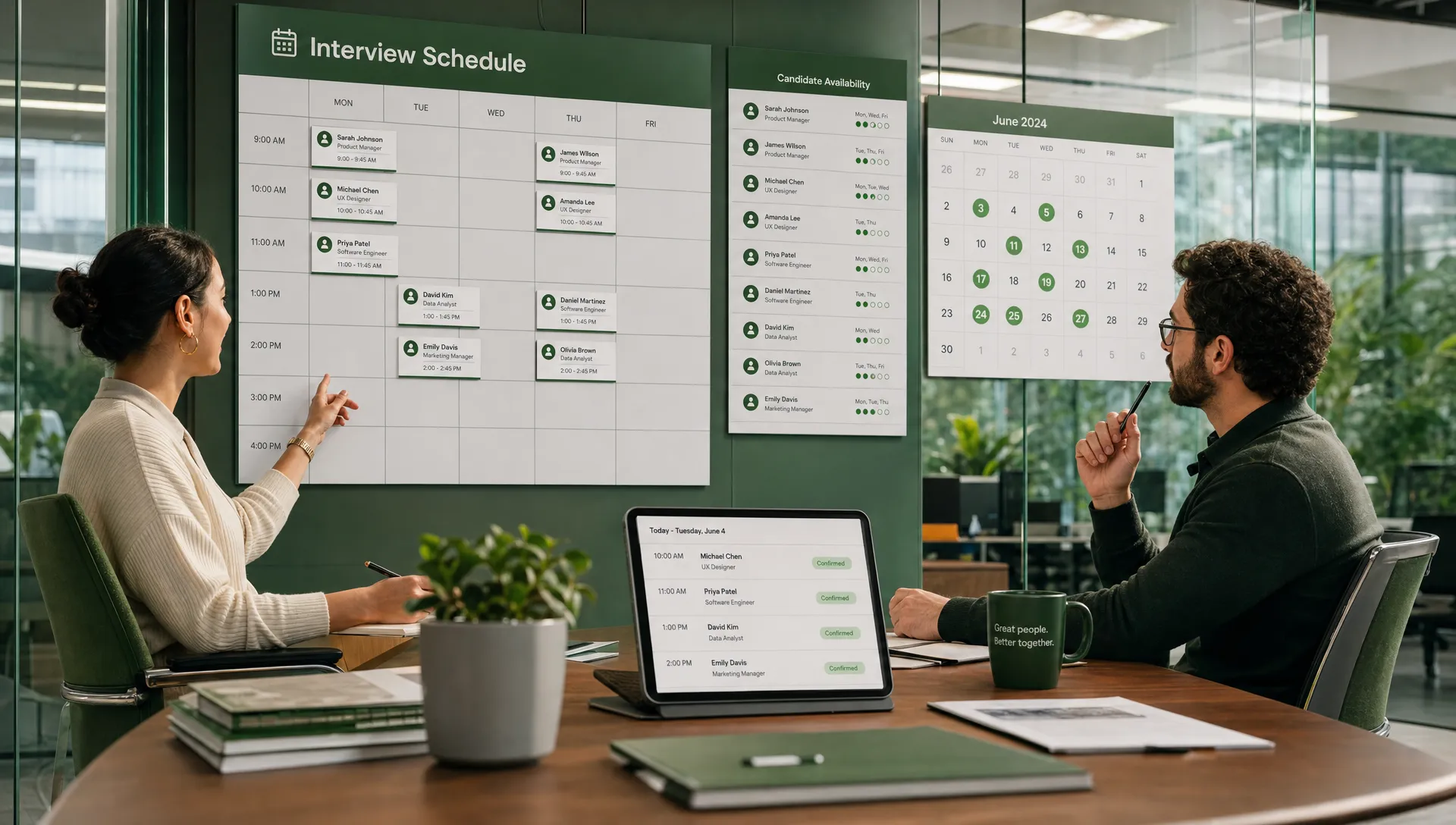
A wide scene inside a glass-walled meeting room showing an interview scheduling board, calendar printouts, candidate availability cards, and two recruiters coordinating times around a table; one tablet faces the camera with a simple schedule view and no other screens are visible. The frame should feel practical and coordinated, with the room setting clearly supporting interview logistics.

August 12, 2026

Top AI Recruitment Technologies Shaping 2026

AI recruiting is moving from single point tools to connected workflow systems. Learn which technologies matter in 2026, how they improve hiring operations, and what agencies and HR teams should evaluate before adopting them.

Read the article →
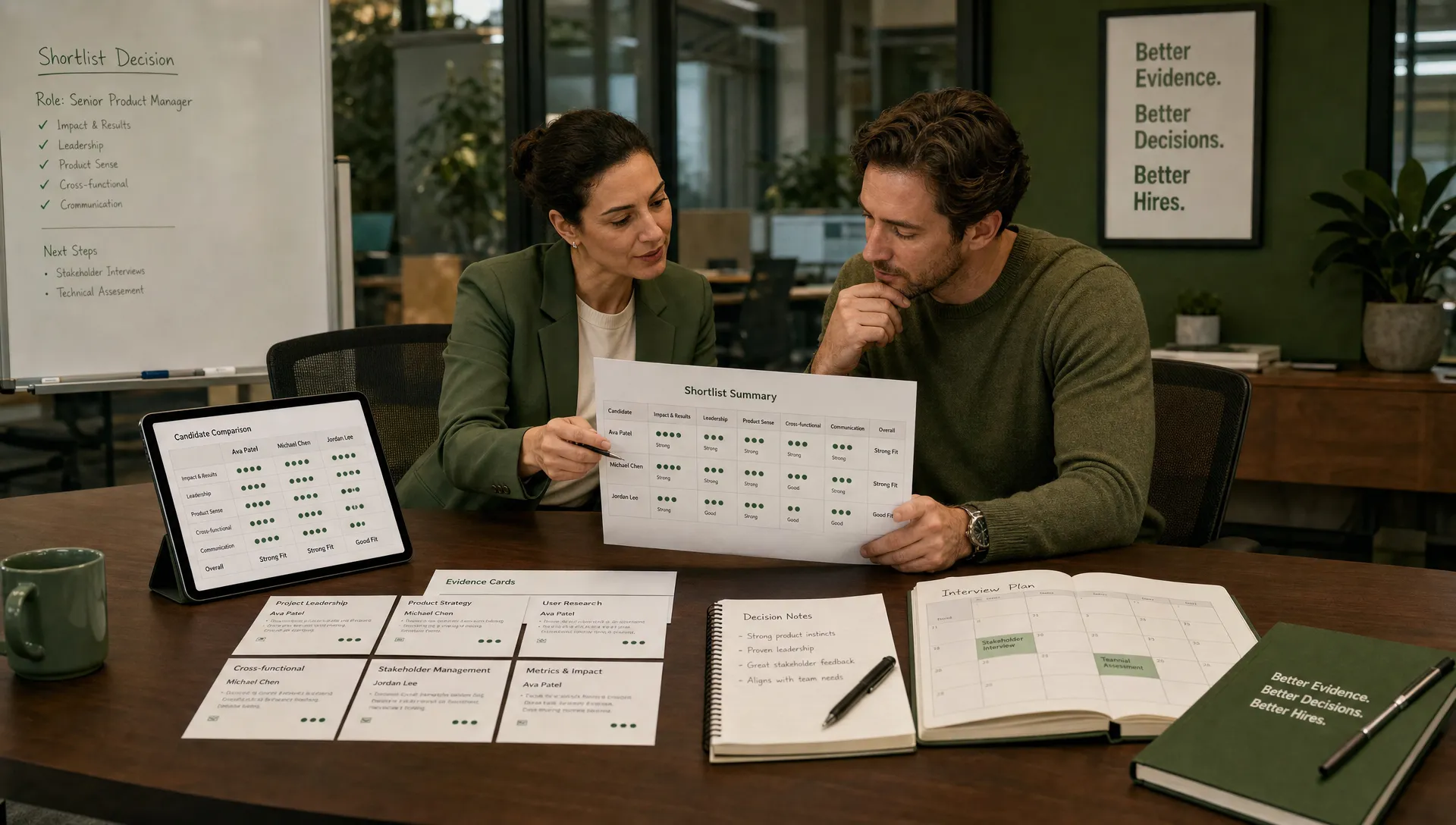
A wide scene in a modern office showing a recruiter and hiring manager reviewing a printed shortlist summary at a conference table, with candidate evidence cards, decision notes, and an open calendar laid out in an orderly way; one tablet faces the camera and shows a simple candidate comparison view, with no other screens visible. The scene should feel analytical, calm, and focused on evidence-backed screening and shortlist decisions.

August 11, 2026

How an AI Tool for Resume Screening Improves Shortlists

Better shortlists are not just faster shortlists. Learn how AI resume screening turns scattered resume data into evidence-based recommendations, helping recruiters reduce noise, protect human judgment, and move qualified candidates forward sooner.

Read the article →
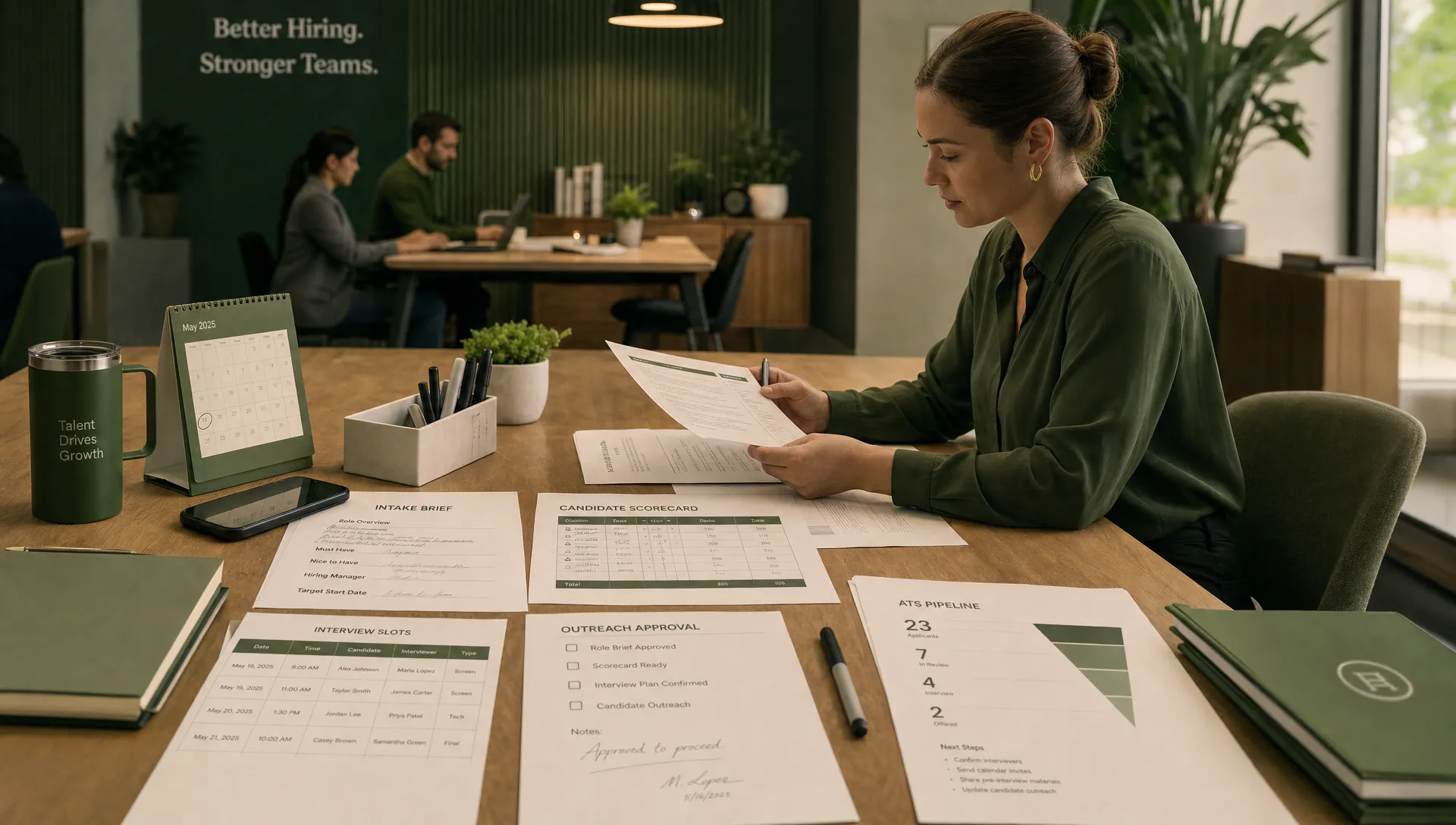
A wide scene in a modern office showing a recruiter at a shared operations table reviewing a paper intake brief, candidate scorecards, interview slots, and outreach approval notes, with a smartphone, desk calendar, and ATS printouts arranged in a clear workflow from screening to scheduling. The composition should feel practical and focused on process, with no visible monitor content and no single laptop-centered view.

August 10, 2026

AI Hiring Best Practices for Agencies and HR Teams

AI can speed up recruiting, but only when the workflow stays structured, explainable, and human-led. Use these best practices to improve intake, screening, outreach, scheduling, and compliance across agency and HR hiring teams.

Read the article →
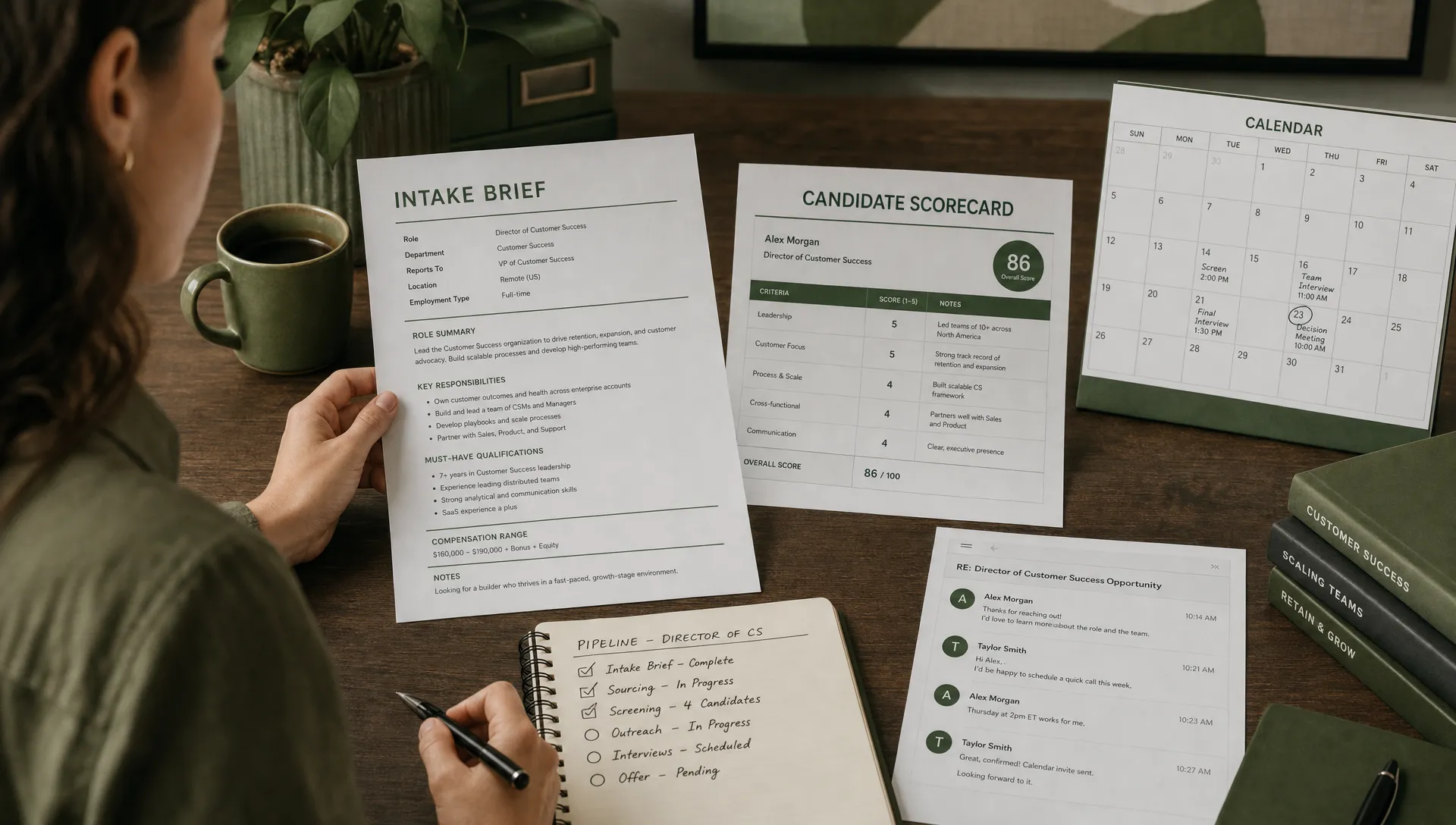
A landscape scene in a modern operations workspace showing a recruiter reviewing a structured intake brief beside a printed candidate scorecard, with a calendar, email thread printout, and pipeline notes arranged across a desk to show how one hiring request moves through screening, outreach, and scheduling. The composition should feel practical, organized, and focused on workflow fit rather than a generic office scene, with no visible screen content dominating the frame.

August 9, 2026

Choosing the Right Recruitment Platform in 2026

The best recruitment platform is not the one with the longest feature list. Learn how to evaluate workflow fit, AI controls, integrations, compliance, and candidate experience before you buy.

Read the article →
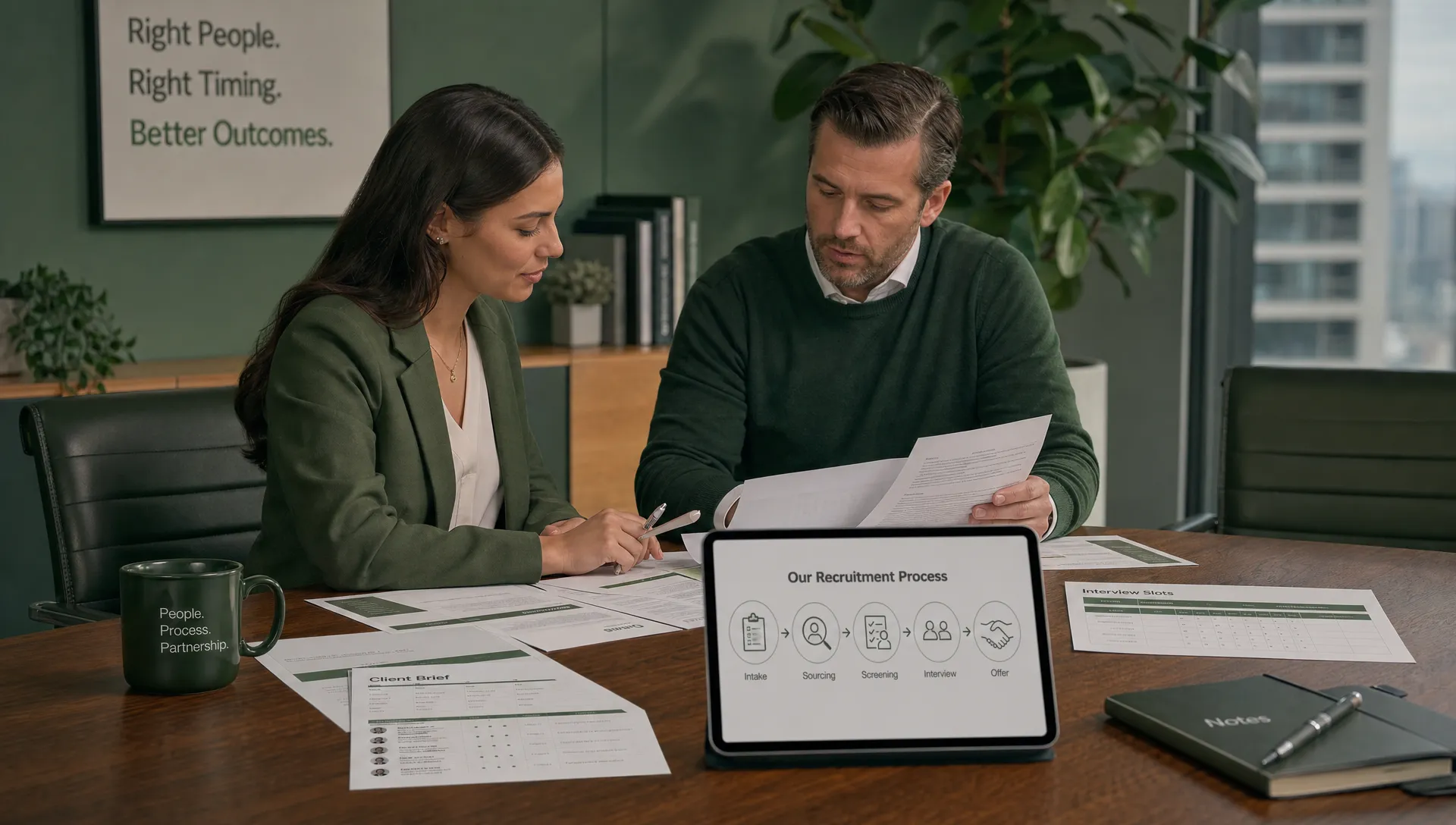
A wide scene in a modern office showing a recruiter and hiring manager reviewing a printed client brief, candidate scorecards, and interview slots spread across a conference table, with a tablet facing the camera displaying a simple recruitment workflow and no other screens visible; the composition should feel organized, process-driven, and focused on structured intake through scheduling, with a calm professional atmosphere.

August 8, 2026

How Online Recruiting Platforms Streamline Hiring

Hiring slows down when recruiters chase details, screen manually, and coordinate interviews by hand. This guide shows how online recruiting platforms remove friction while keeping human judgment in control.

Read the article →
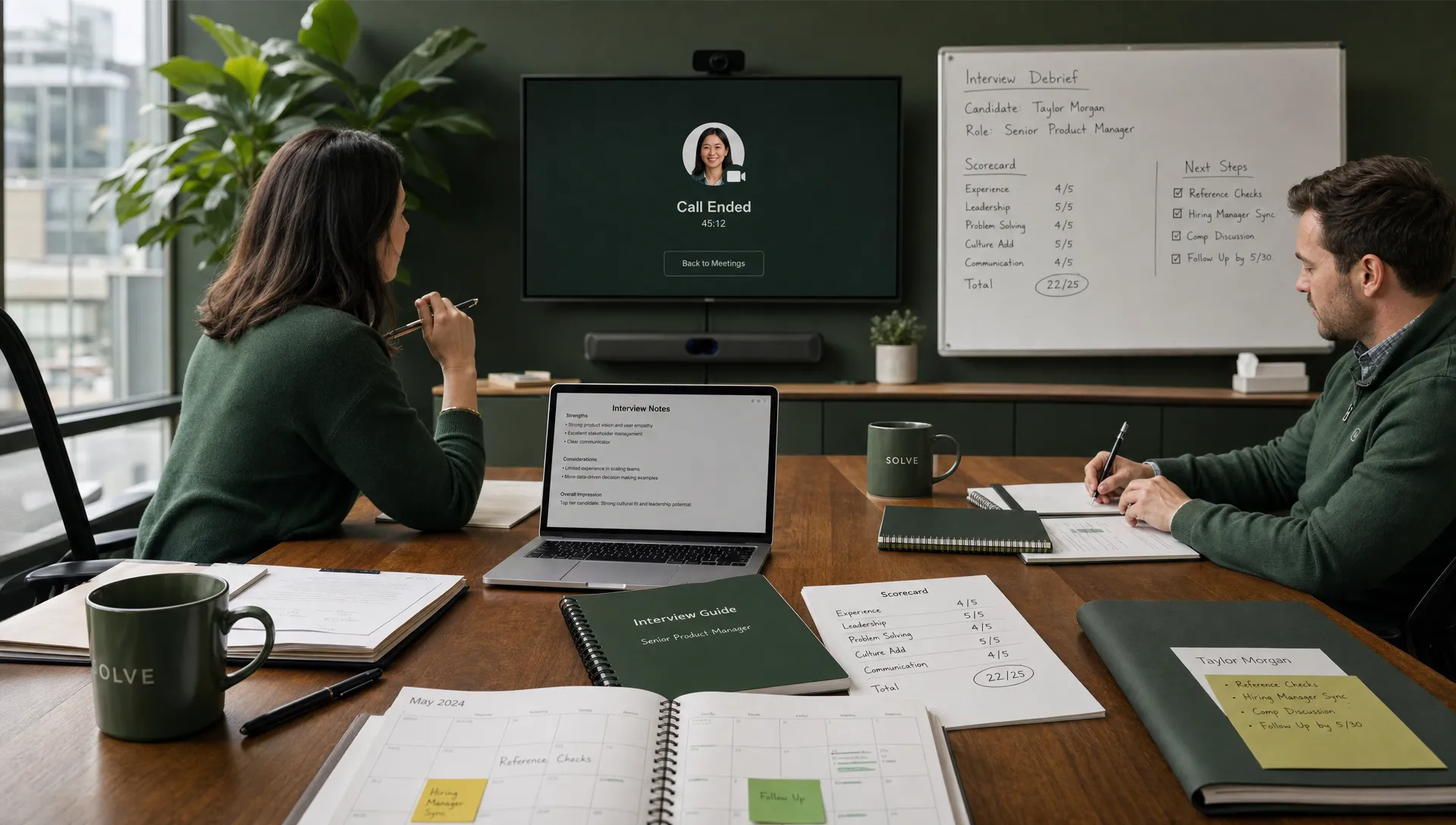
A wide scene in a modern office showing a recruiter and hiring manager in a live interview debrief, with a video call ending on a monitor facing the camera, handwritten scorecards, interview notes, and a calendar open on the table. The composition should emphasize the workflow around the interview rather than the interview itself, with a calm, organized atmosphere and clear evidence of decision-making and follow-up steps.

August 7, 2026

Video Interview Platforms That Save Recruiter Time

Video interview platforms can save hours, but only when they reduce the admin around interviews. Learn which features matter most for screening, scheduling, feedback, compliance, and recruiter control.

Read the article →
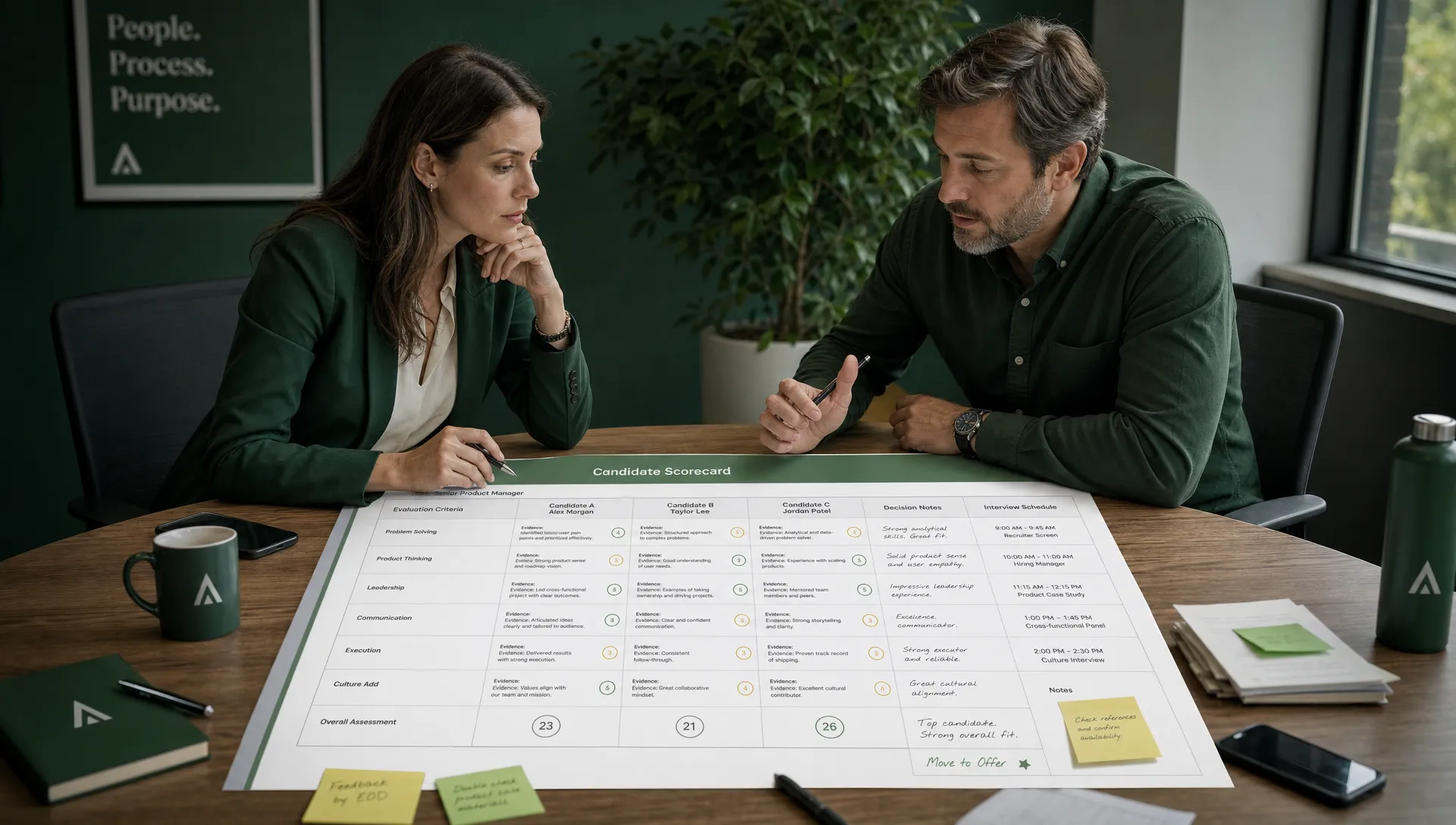
A landscape scene in a modern office showing a recruiter and hiring manager evaluating a large printed scorecard board with candidate evidence snippets, structured criteria, and decision notes laid out across a conference table, with a few phones, sticky notes, and interview slots visible; the mood should feel analytical, trustworthy, and process-driven, without any computer screens or wall displays dominating the scene.

August 6, 2026

How to Compare Candidate Assessment Platforms

The best platform is not the one with the most AI features. Use this practical framework to compare candidate assessment platforms by evidence quality, fairness, workflow fit, integrations, and the control recruiters need to make confident hiring decisions.

Read the article →
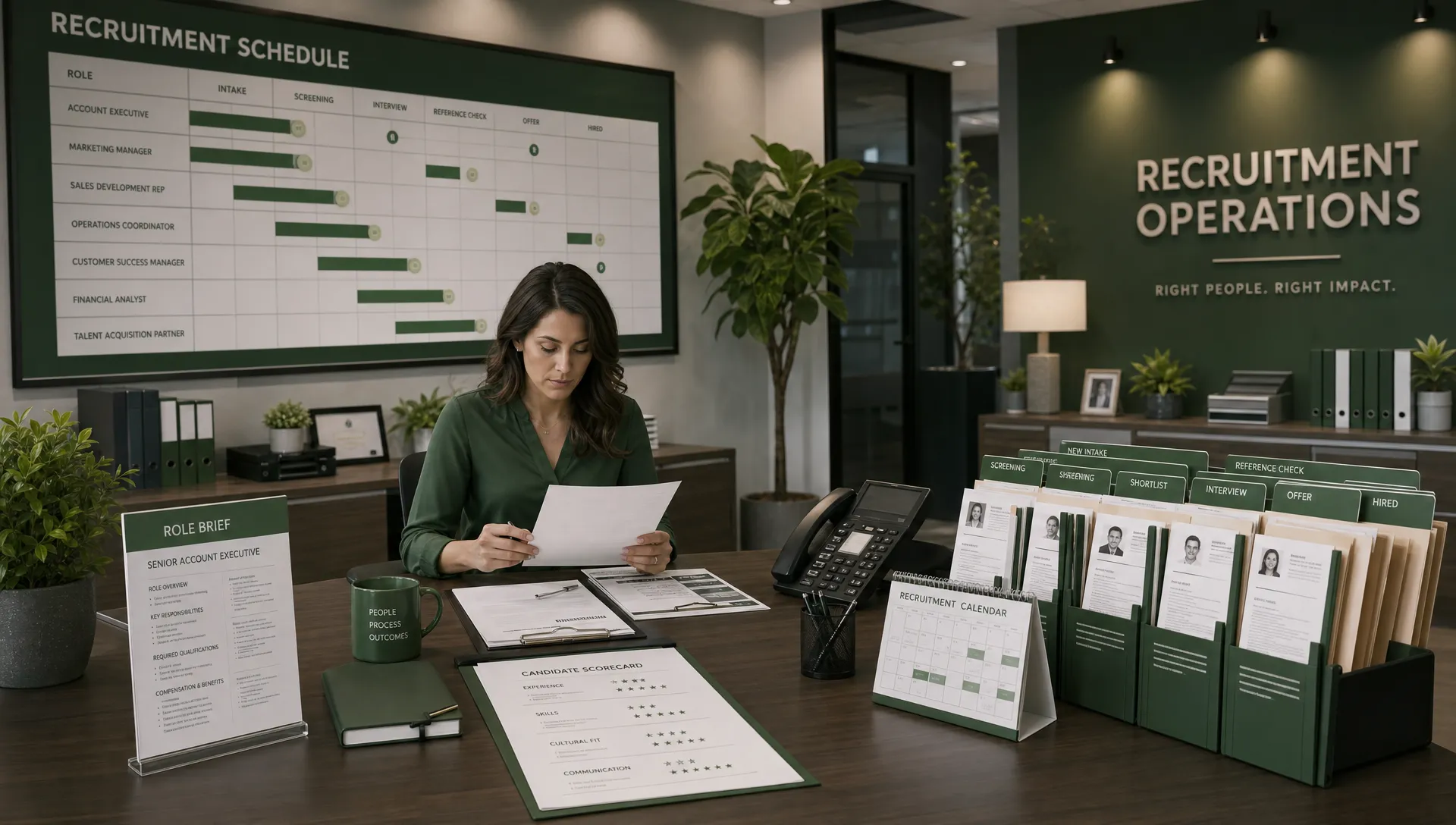
A wide scene inside a modern recruitment operations room with a recruiter at a central workstation, a large scheduling board in the background, printed role briefs on the desk, a phone, a calendar, and neatly arranged candidate files creating a sense of controlled hiring workflow from intake through scheduling; the composition should feel organized and high-trust, with no visible screen content and no single desk-laptop focus.

August 5, 2026

How a Recruitment Management Platform Adds Control

Control is the difference between faster hiring and chaotic automation. Here’s how the right recruitment management platform standardizes intake, evidence, approvals, scheduling, and reporting without taking judgment away from recruiters.

Read the article →
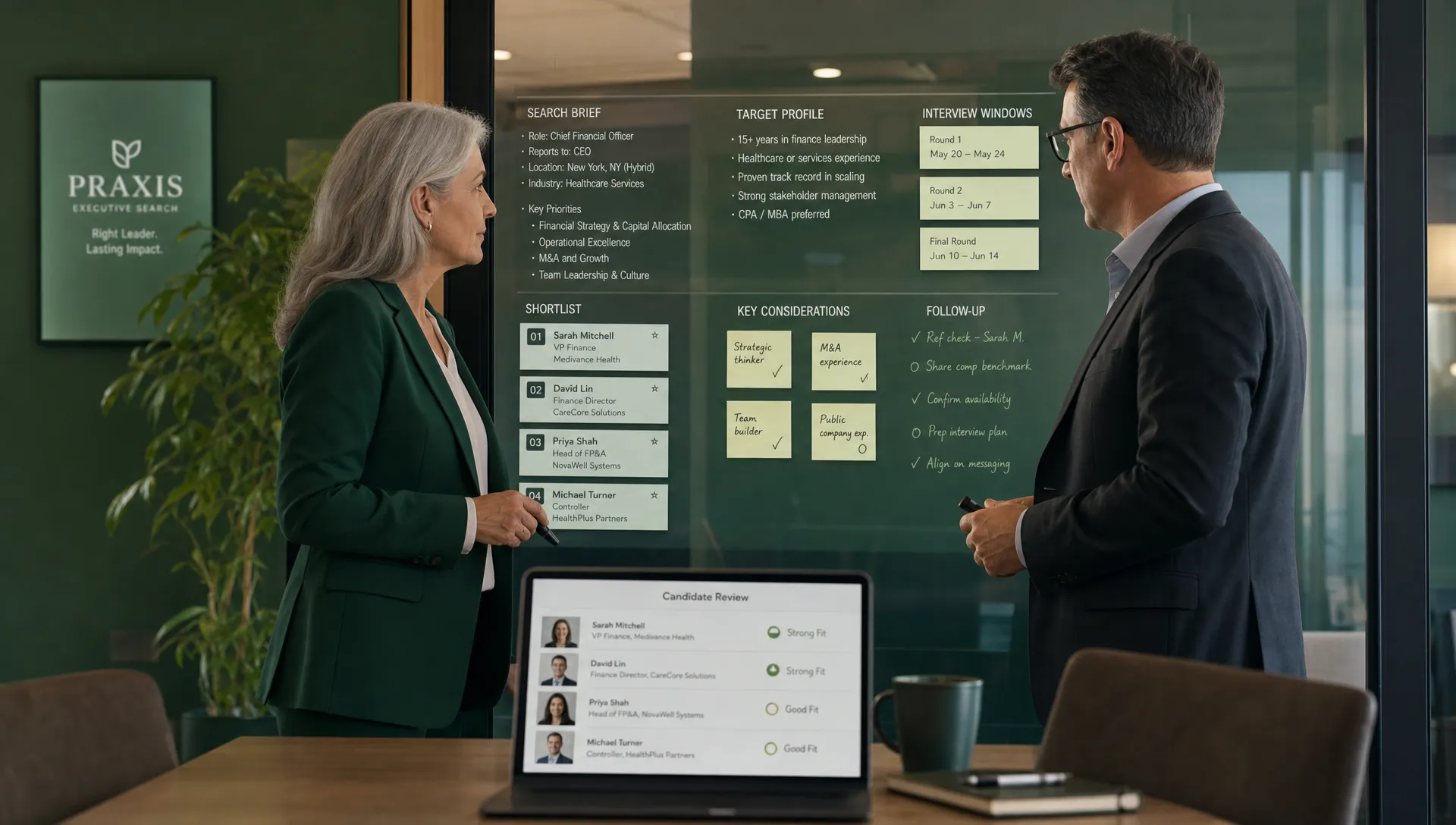
A senior recruiter and a client hiring manager standing beside a conference room glass wall covered with a clearly organized search brief, shortlist notes, interview windows, and follow-up markers, with a tablet on the table facing the camera showing a simple candidate review screen; the scene should feel calm, high-trust, and focused on executive search coordination in a modern office.

August 4, 2026

What Makes a Great Headhunter Platform

A headhunter platform should do more than store candidates. Learn how the best systems support sharper intake, evidence-based screening, human-approved outreach, scheduling, integrations, and the high-touch experience executive search requires.

Read the article →
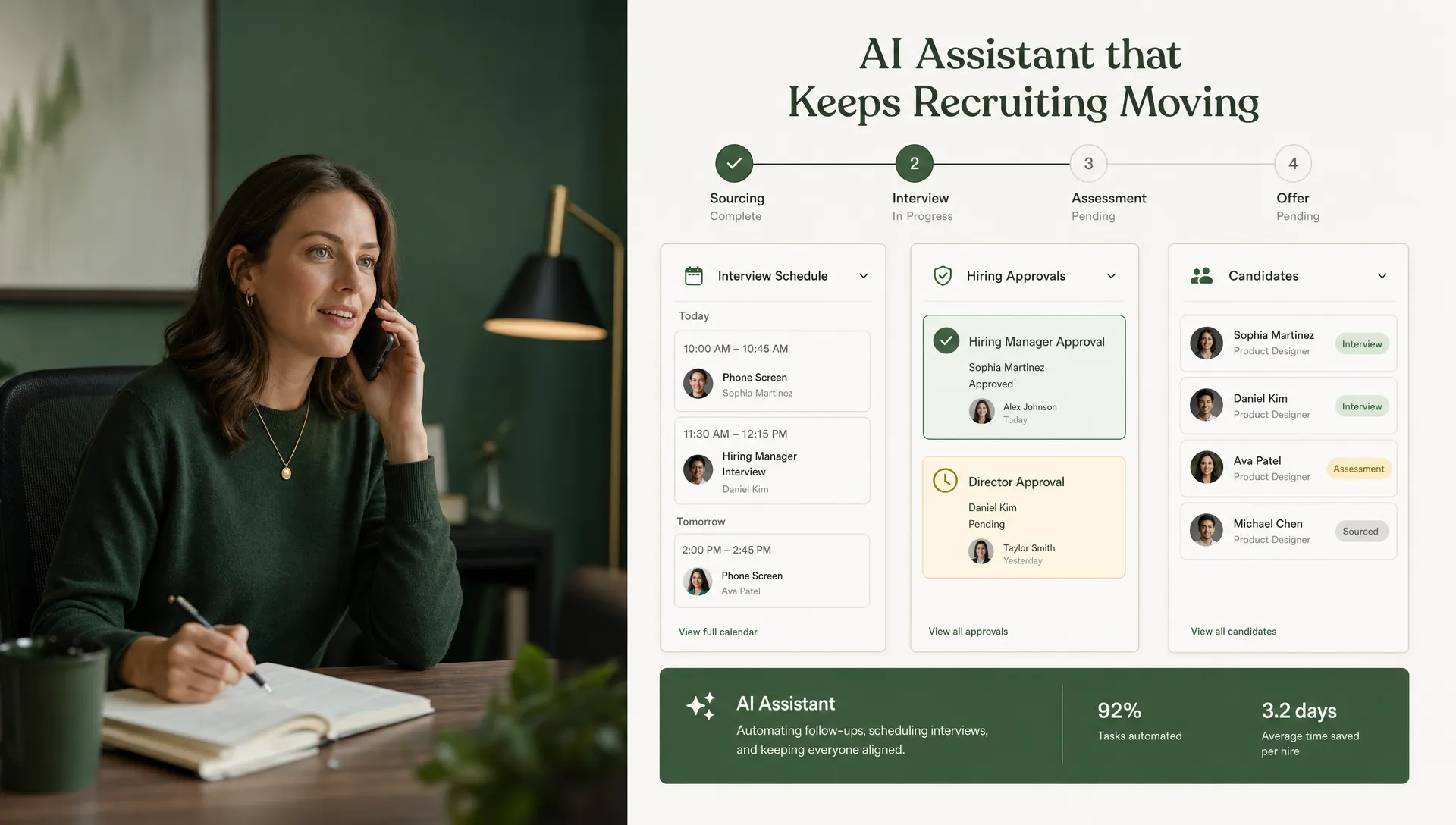
A split-screen style scene showing a recruiter on one side speaking with a candidate on a phone call, and on the other side a clean hiring workflow surface with interview slots, approval notes, and candidate cards arranged in sequence, suggesting an AI assistant that keeps recruiting moving end to end; the setting should feel like a modern workplace with a calm, organized atmosphere and no visible monitor content.

August 3, 2026

PredictiveHire Alternatives for Modern Recruiting

Looking for PredictiveHire alternatives? Compare modern AI recruiting tools by workflow fit, from screening and sourcing to scheduling, outreach, and recruiter control.

Read the article →
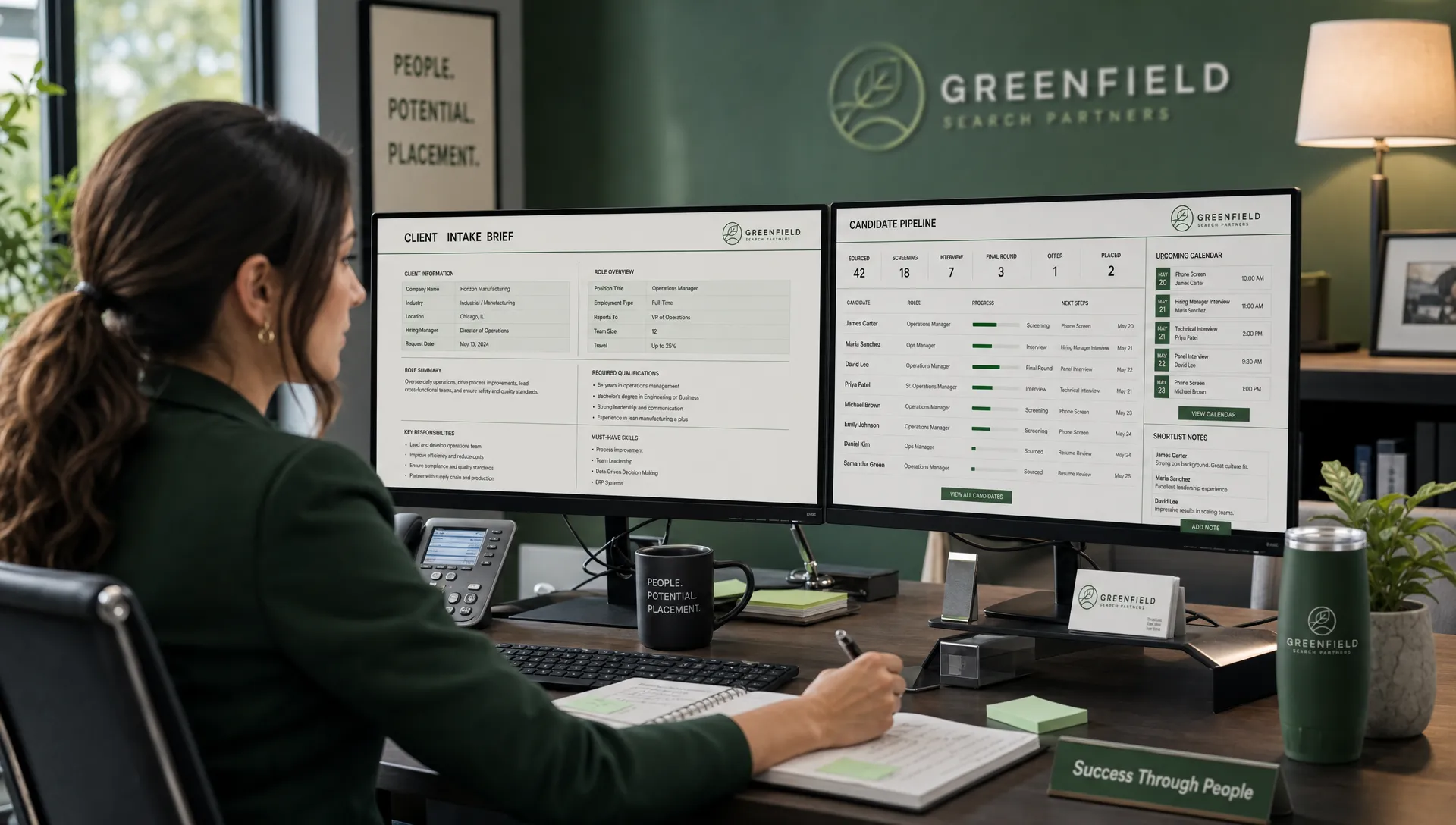
A staffing agency recruiter in a modern office reviewing a client intake brief on one monitor and a candidate pipeline on another, both screens facing the camera, with calendar holds, shortlisting notes, and a phone nearby to suggest fast-paced scheduling and multi-client coordination; the scene should feel organized and busy, focused on agency workflow rather than a generic desk setup.

August 2, 2026

Recruitment Software for Staffing Agencies Explained

Staffing agencies need more than basic applicant tracking. This guide explains how recruitment software organizes intake, screening, outreach, scheduling, and pipeline updates so recruiters can move faster without losing control.

Read the article →
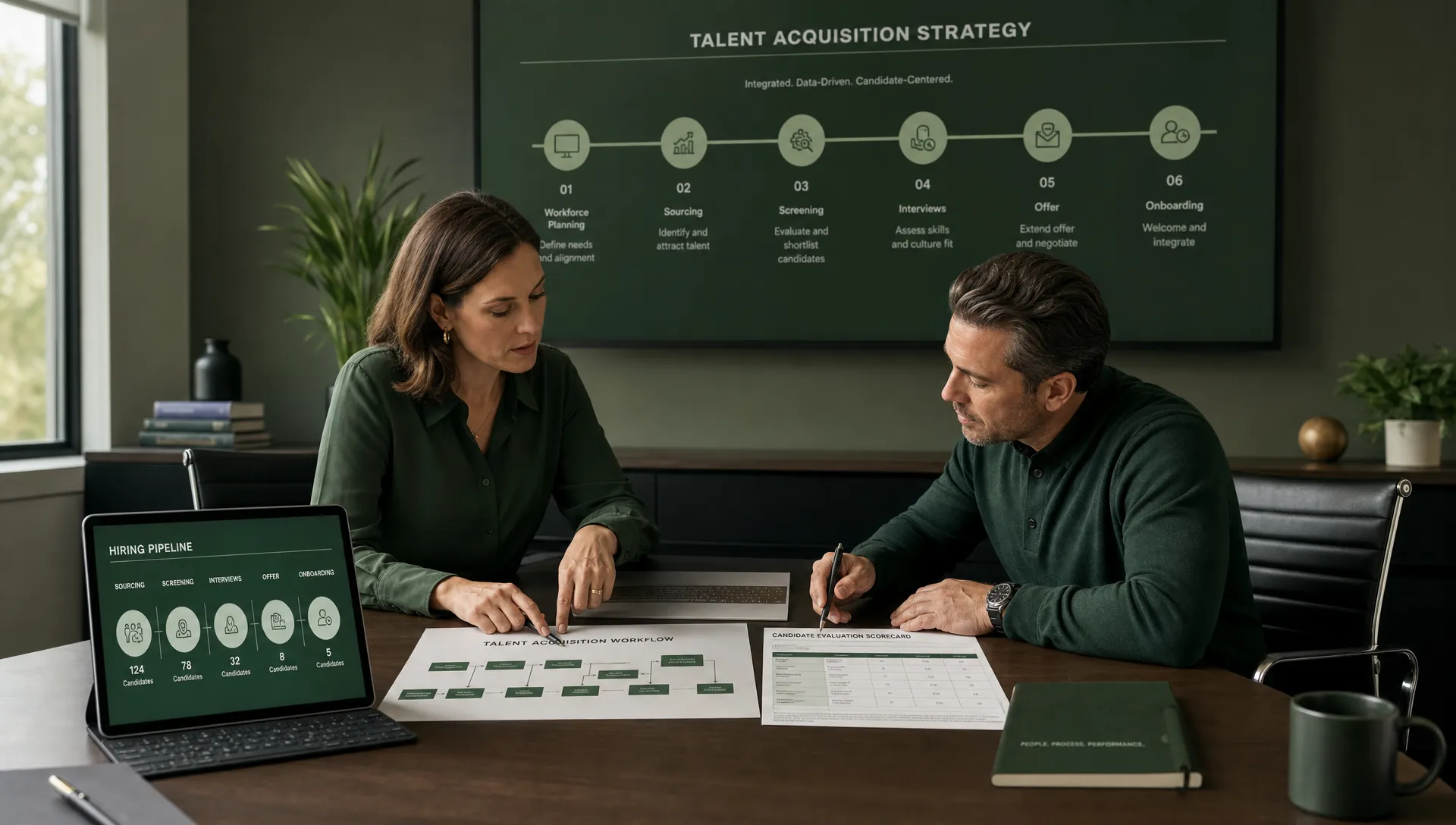
A landscape scene of a talent acquisition strategy meeting in a modern office, with two recruiting leaders reviewing a printed workflow map and candidate evaluation scorecard on a table, a tablet facing the camera showing a simple hiring pipeline, and a wall-mounted timeline in the background; the composition should emphasize workflow planning, recruiter control, and integration across hiring stages.

July 24, 2026

How to Choose a Talent Acquisition Platform

The right platform should speed up hiring without weakening recruiter judgment. Use this practical guide to compare intake, screening, outreach, scheduling, integrations, compliance, and AI governance before you buy.

Read the article →
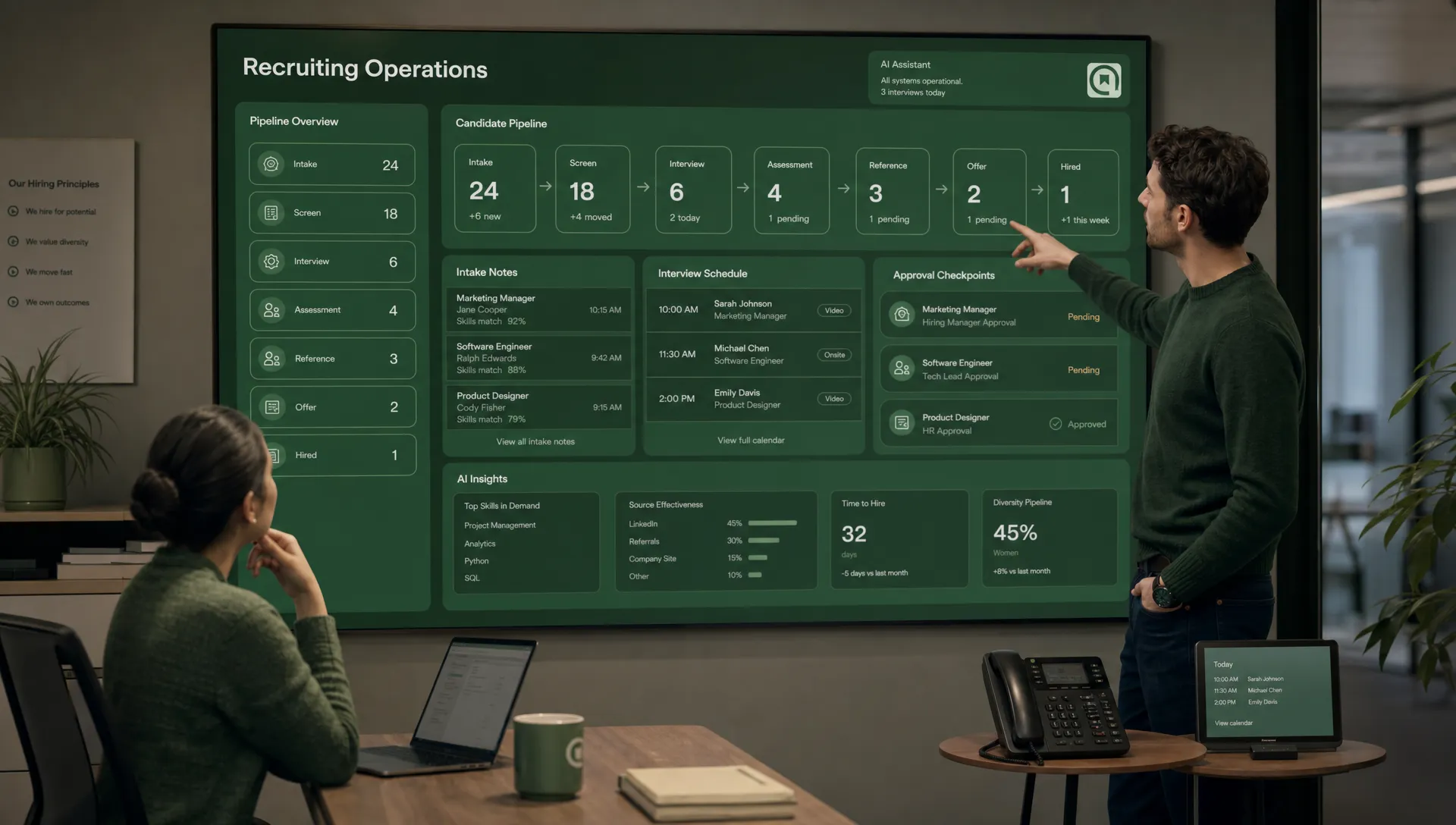
A recruiting operations scene in a modern office with one recruiter reviewing a large wall display of candidate stages, intake notes, interview slots, and approval checkpoints, while a phone and calendar sit on a side table and a colleague gestures toward the workflow board, creating a clear picture of AI-supported hiring coordination without any screen content hidden from view.

July 23, 2026

7 AI Recruiting Tools Worth Testing in 2026

AI can speed up recruiting, but the right tool depends on your workflow. This guide compares seven AI recruiting tools by use case, pilot value, and the controls teams should test before rollout.

Read the article →
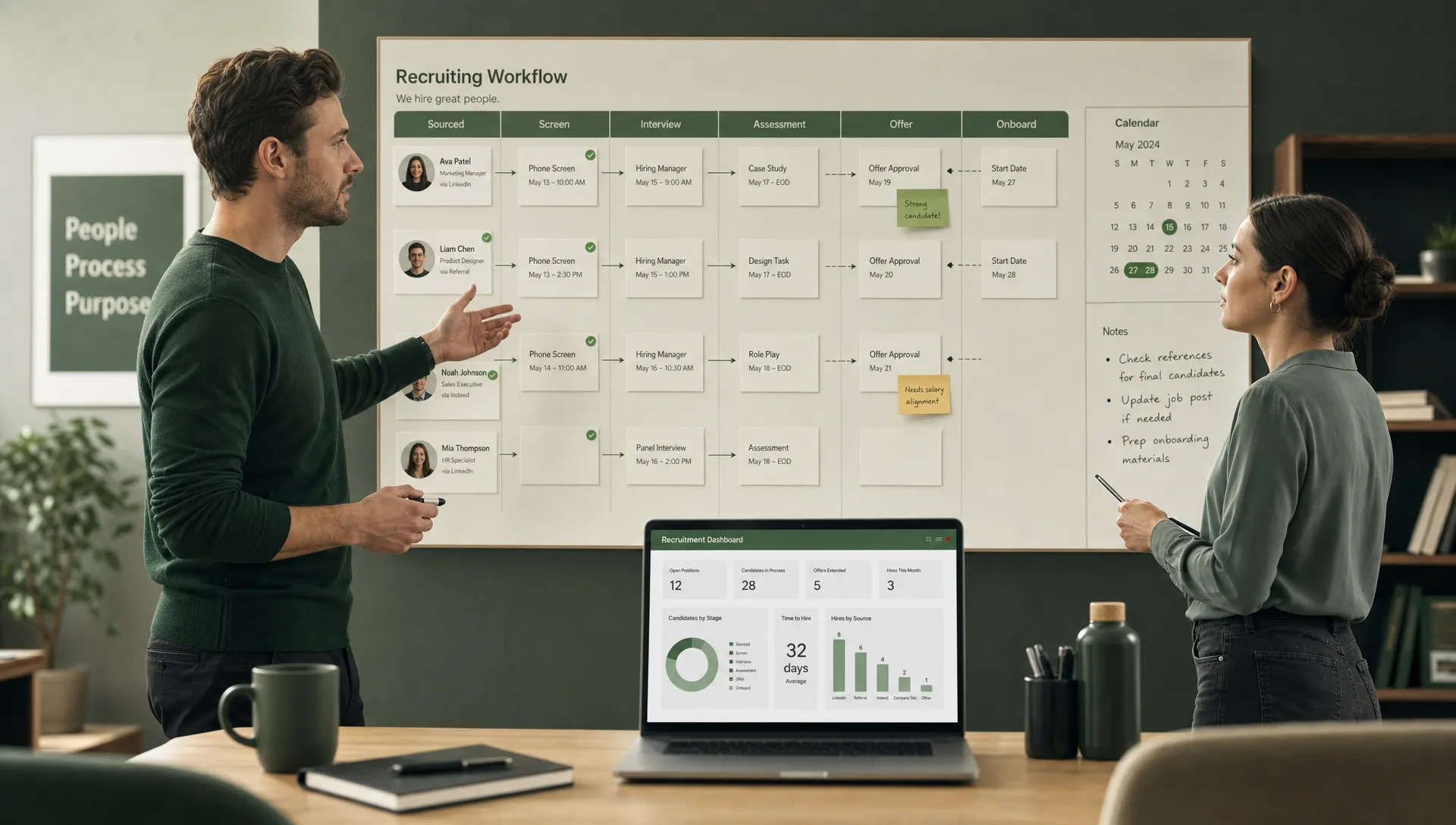
A hiring manager and recruiter discussing a recruiting workflow around a wall-mounted planning board with candidate cards, interview times, approval notes, and connected calendar markers in a modern office, with a laptop on the table facing the camera and showing a simple recruitment dashboard, no hidden screens behind it.

July 22, 2026

What to Look for in AI Recruitment Software

Choosing AI recruitment software is not just about automation. Learn how to evaluate screening quality, integrations, compliance, recruiter control, and workflow fit before you commit.

Read the article →
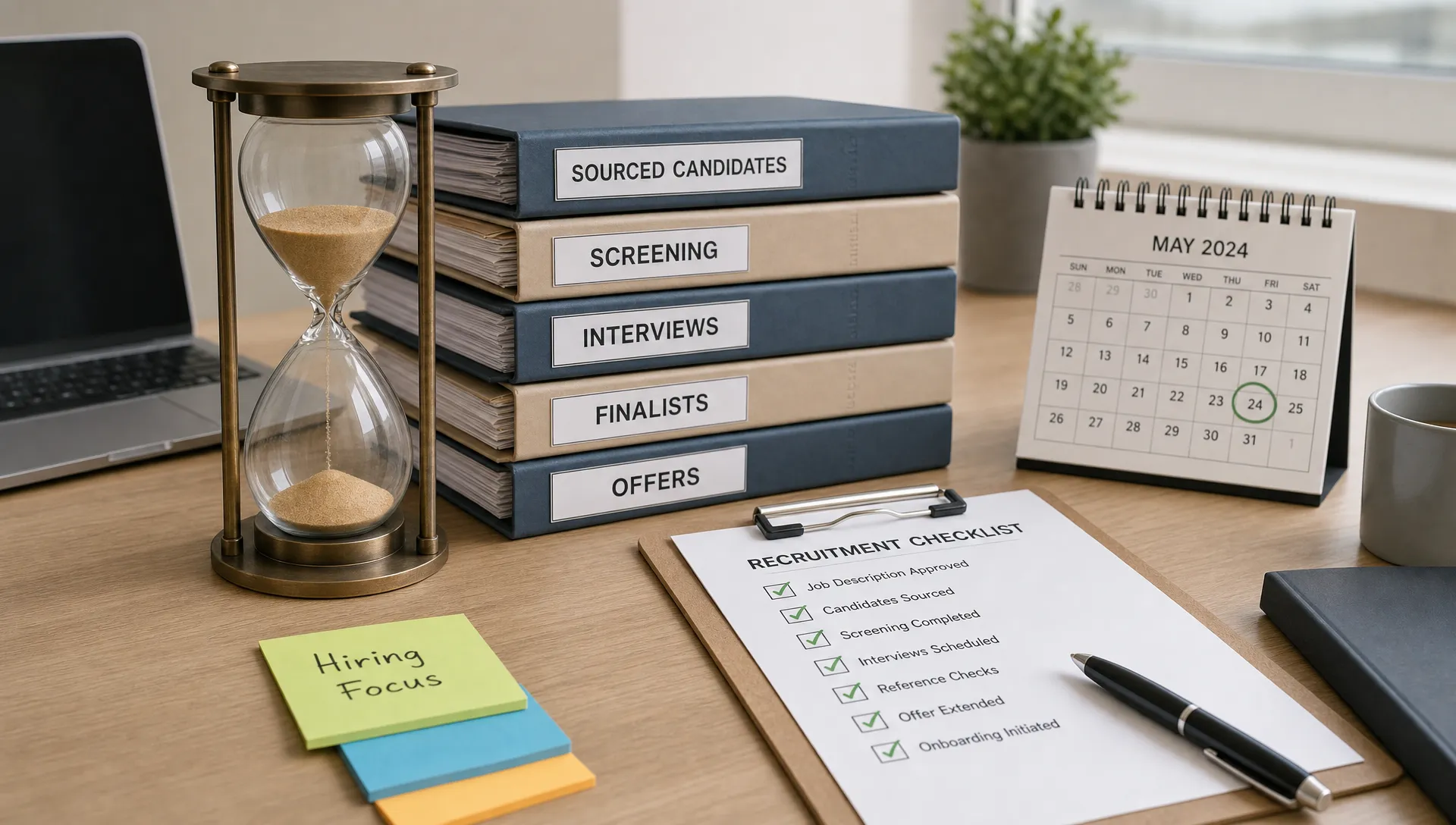
A symbolic scene of a streamlined recruitment workflow represented by an hourglass beside neatly stacked candidate folders, a calendar, and a marked checklist on a clean desk, with subtle signs of hiring coordination and fewer delays, no people present.

July 21, 2026

How AI in Recruitment Helps Teams Hire Faster

Hiring speed is usually lost in handoffs, not interviews. This guide shows how AI in recruitment removes delays across intake, screening, outreach, and scheduling while keeping recruiters in control of candidate experience and hiring quality.

Read the article →