
candidate experience platform
Why Candidate Experience Platforms Boost Conversions
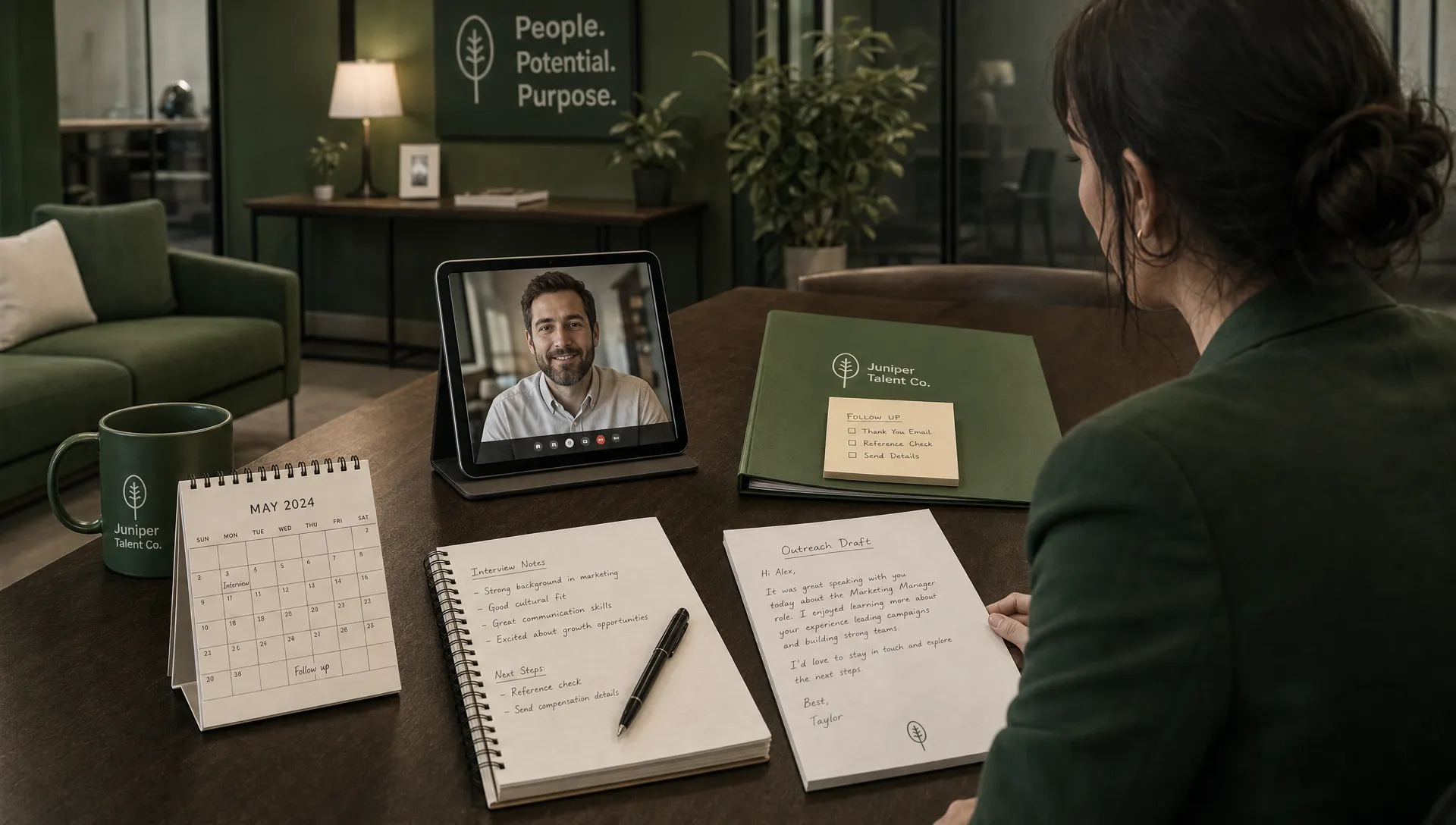
Recruiting teams often treat candidate experience as an employer brand topic. That is true, but it is also incomplete. For agencies and HR teams measured on speed, shortlist quality, and offer acceptance, candidate experience is a conversion system.
A candidate experience platform boosts conversions because it removes the small points of friction that cause good people to stop responding, abandon applications, miss interviews, or accept another offer. The result is not just a nicer process. It is a hiring funnel where more qualified candidates move from interest to action.
What conversion means in recruiting
In marketing, conversion usually means a visitor becomes a lead or buyer. In recruiting, conversion happens whenever a candidate takes the next meaningful step.
That might mean a passive candidate replies to outreach. It might mean an applicant completes screening, books an interview, shows up prepared, submits availability, or accepts an offer. Each step has its own friction, and every delay gives the candidate time to lose interest or choose another opportunity.
This is why candidate experience platforms matter. They do not only make the process feel polished. They help recruiting teams protect momentum across the entire journey.
The most important recruiting conversions usually include:
- Career page visitor to completed application
- Sourced prospect to positive reply
- Applicant to completed screening
- Qualified candidate to booked interview
- Booked interview to interview attendance
- Finalist to accepted offer
- Candidate to future talent pool member
When teams improve even a few of these steps, the impact compounds. Better response rates give recruiters more conversations. Faster screening creates stronger shortlists. Smoother scheduling reduces lost time. Clear communication improves trust before the offer stage.
Why candidate experience breaks down
Most conversion loss is not caused by one dramatic failure. It is usually caused by a series of small moments that make the process feel unclear or one-sided.
A candidate receives a generic message that does not explain why the role fits. They apply and hear nothing for days. They answer questions already covered in their resume. They are asked for interview availability, then wait again. They receive a calendar invite without context. After the interview, silence returns.
None of these moments look catastrophic inside an ATS. But from the candidate side, they create doubt. Doubt lowers response rates, increases dropout, and weakens offer acceptance.
The problem is especially visible in busy agency and HR environments. Recruiters are often handling multiple roles, changing client briefs, shifting hiring manager expectations, and high volumes of candidates. Even strong teams can struggle to keep every message timely, relevant, and consistent.
A candidate experience platform helps by turning scattered touchpoints into a managed workflow.
What a candidate experience platform actually does
A candidate experience platform coordinates the interactions candidates have between first contact and hiring decision. Depending on the setup, it may support outreach, screening, scheduling, status updates, reminders, candidate questions, and recruiter handoffs.
For an AI-first recruiting team, the value is not automation for its own sake. The value is controlled automation. CandiDesk, for example, supports workflows such as smart intake from client briefs, evidence-based candidate scoring, AI chat and voice calls, human-approved outreach drafting, interview scheduling automation, pipeline updates, calendar sync, multi-language outreach, and ATS or CRM integrations.
That distinction matters. Candidate experience should not be a chatbot bolted onto a broken process. It should be connected to intake quality, screening criteria, communication history, and pipeline status. If your team is still solving those workflow basics, it can help to understand how online recruiting platforms streamline hiring before narrowing in on candidate experience alone.
Where conversion lift comes from
Candidate experience platforms improve conversions by making the hiring journey faster, clearer, and more relevant. Here is how that maps to common funnel problems.
| Funnel moment | Common friction | Platform behavior | Conversion protected |
|---|---|---|---|
| Initial outreach | Generic, low-context messages | Drafts tailored communication based on role requirements and candidate fit | Reply rate |
| Application or screening | Repeated questions and unclear expectations | Guides candidates through structured, role-relevant steps | Completion rate |
| Interview booking | Back-and-forth scheduling delays | Offers faster coordination with calendar sync and reminders | Booking rate and attendance |
| Status updates | Silence after key steps | Keeps candidates informed when action is needed or decisions are pending | Pipeline retention |
| Recruiter handoff | Notes lost across tools | Updates pipeline records and preserves context | Recruiter responsiveness |
| Final stages | Unclear next steps or slow follow up | Helps maintain momentum through reminders and approved messaging | Offer acceptance |
The platform does not magically make every candidate qualified or every offer competitive. It makes the process easier to say yes to.
It makes the first response fast and useful
Speed matters because candidate attention is perishable. A strong candidate might be open today, booked with another recruiter tomorrow, and deep in another process by the end of the week.
But speed alone is not enough. Fast, low-quality outreach can damage conversion because it feels automated and irrelevant. A good candidate experience platform helps recruiters respond quickly while still using role-specific context.
For example, a recruiter can use AI to draft a message that reflects the client brief, the candidate background, and the real reason there may be a fit. A human recruiter can then approve or adjust that message before it sends. That keeps communication efficient without removing judgment.
The same principle applies after a candidate replies. If the next step is unclear or delayed, momentum fades. If the candidate receives a concise response, a relevant screening question, or a scheduling option quickly, the chance of continued engagement rises.
It turns personalization into a repeatable process
Personalization is often discussed as if it means adding a first name to an email. Candidates can see through that. Meaningful personalization explains why the role is relevant, what the opportunity involves, and what the next step will require.
This is especially important outside familiar corporate hiring patterns. Recruiting for warehouse operations, sales, skilled trades, logistics, customer support, healthcare, or field service requires different language than recruiting for software engineering. An outreach draft for a role connected to a business selling premium shipping containers should not sound like outreach for a fintech product manager. It should reflect the work environment, customer expectations, delivery timelines, and practical questions candidates may ask.
A candidate experience platform helps recruiters scale that relevance. It can use structured intake, candidate evidence, and communication templates to produce better first drafts. The recruiter remains responsible for the final message, but the starting point is stronger.
It reduces scheduling dropout
Scheduling is one of the most underestimated conversion leaks in recruiting. A candidate can be qualified, interested, and responsive, then disappear because the process takes too much coordination.
Every extra email adds delay. Every delay creates room for another employer to move faster. Every unclear calendar invite increases the risk of no-shows or underprepared interviews.
Platforms that support interview scheduling automation help by reducing back-and-forth, syncing calendars, sending reminders, and keeping the pipeline current. For recruiters, this means fewer manual updates. For candidates, it means the process feels organized.
That organization sends a signal. Candidates often use the hiring process as evidence of how the company operates. A smooth schedule suggests the team respects time. A chaotic schedule suggests the opposite.
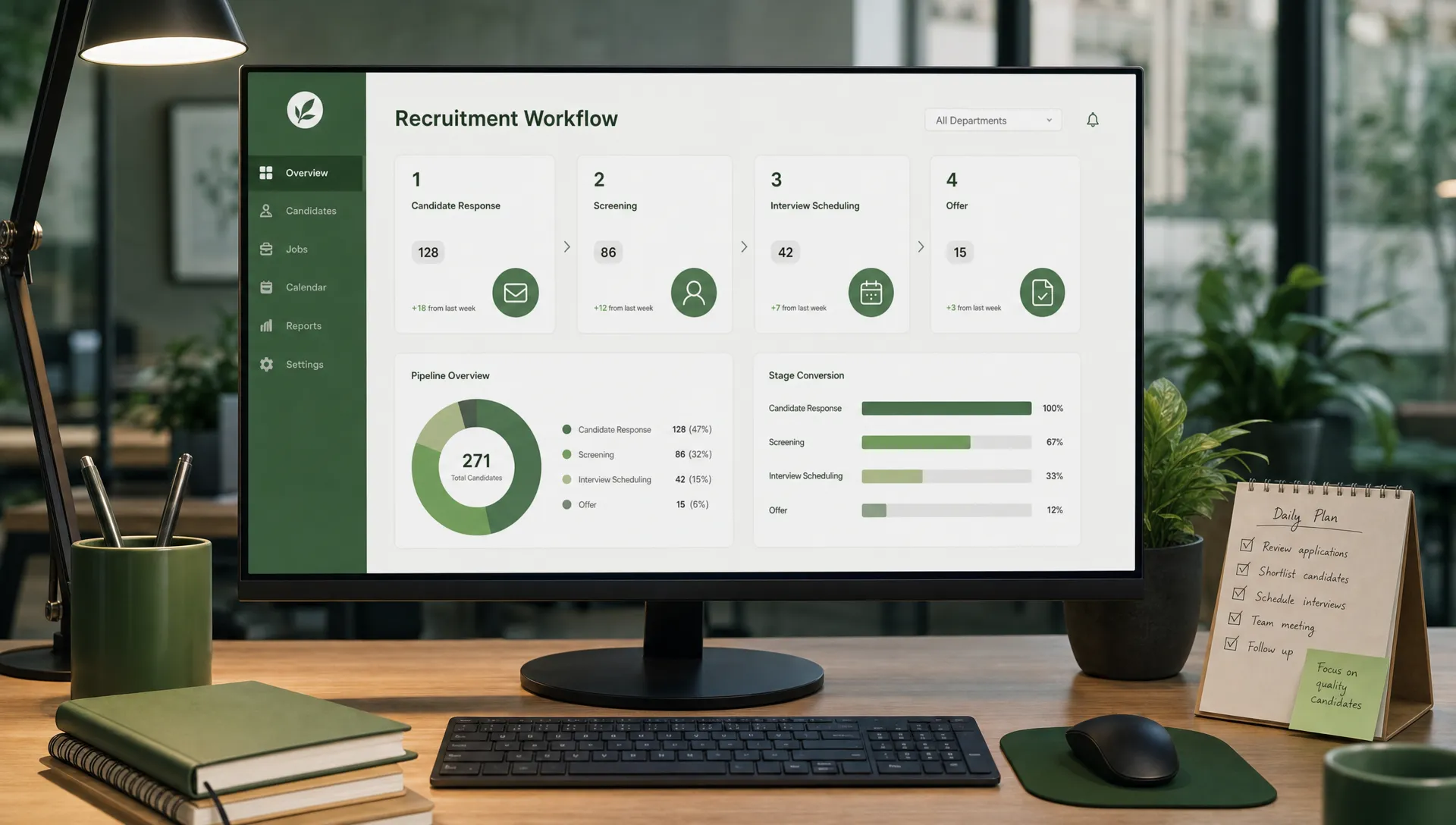
It creates confidence in the selection process
Candidates are more likely to continue when the process feels fair, relevant, and understandable. They do not need to know every internal detail, but they do need to understand what is being assessed and what happens next.
This is where screening quality affects experience. If candidates are asked vague or repetitive questions, they may assume the team has not reviewed their profile. If screening is structured around clear role criteria, the process feels more legitimate.
AI can help here, but only if it produces evidence recruiters can review. Candidate scoring should not be a mysterious label. It should connect a candidate to role requirements through specific signals, examples, and gaps. If you are evaluating this part of the workflow, CandiDesk has a useful guide on how an AI tool for resume screening improves shortlists without asking recruiters to give up control.
A better selection experience improves conversion because candidates can see that their time is being used for a real decision, not a generic filter.
It keeps momentum after every touchpoint
Recruiting conversion depends on continuity. A candidate should not feel like they are starting over every time they interact with the team.
That continuity is hard when notes live in one tool, calendars in another, messages in another, and recruiter memory carries the rest. A candidate experience platform helps by syncing relevant updates back to the ATS, CRM, and calendar systems recruiters already use.
This improves candidate experience in practical ways. The recruiter can see what has already been discussed. The candidate receives fewer duplicate questions. The team can follow up with context instead of scrambling through old messages.
Momentum is not only about speed. It is about making the candidate feel remembered.
It gives recruiters more control, not less
Some teams worry that candidate experience technology will make hiring feel less human. That can happen if automation is implemented poorly. But the better model is human-controlled AI.
In that model, AI handles the repetitive work that slows recruiters down. It drafts outreach, supports screening, coordinates interview times, answers routine questions, and updates the pipeline. Recruiters stay in control of judgment, relationship management, sensitive communication, and final decisions.
This is particularly important for agencies, where candidate trust and client credibility are both on the line. A recruiter cannot outsource relationship quality. But they can use a platform to make sure no strong candidate is ignored because of administrative overload.
Metrics that show whether experience is improving conversions
Candidate experience should feel better, but it should also show up in funnel data. The best metrics are tied to specific journey stages rather than broad satisfaction alone.
| Metric | What it reveals | Why it matters |
|---|---|---|
| Outreach reply rate | Whether sourced candidates find messages relevant enough to answer | Indicates top-of-funnel engagement |
| Screening completion rate | Whether candidates understand and finish required steps | Shows friction in early qualification |
| Time to first response | How quickly candidates receive meaningful follow up | Protects momentum and interest |
| Interview booking rate | Whether qualified candidates move from interest to scheduled time | Measures scheduling efficiency |
| Interview attendance rate | Whether candidates stay committed after booking | Highlights reminder and expectation quality |
| Offer acceptance rate | Whether finalists remain engaged and confident | Connects experience to business outcome |
| Candidate withdrawal reasons | Why people exit the process | Reveals fixable friction |
Do not measure these numbers in isolation. A higher reply rate is not useful if candidate quality drops. Faster screening is not useful if it creates unfair or inconsistent decisions. The goal is not to push more people through every step. The goal is to help the right candidates move forward with less friction.
How agencies and HR teams benefit differently
Agencies usually feel the conversion impact in speed, responsiveness, and shortlist strength. When intake is structured, outreach is timely, and screening evidence is clear, recruiters can present candidates with more confidence. Clients also get better visibility into why a candidate is recommended.
Internal HR teams often feel the impact in consistency and workload reduction. A platform can help standardize communication across roles, reduce scheduling admin, and make sure candidates receive a more predictable experience even when hiring managers are busy.
Both teams benefit from fewer dropped balls. In a competitive labor market, the winning team is not always the one with the biggest brand. Often, it is the one that communicates clearly and moves decisively.
What to watch for when choosing a platform
Not every tool that improves candidate communication is a full candidate experience platform. Some tools only handle chat. Others only handle scheduling. Others focus on assessments, career sites, or CRM nurture.
Before choosing a platform, map your largest conversion leaks. If candidates are not replying, look at outreach quality and timing. If they are applying but not completing screening, examine the questions and process length. If qualified people vanish before interviews, scheduling and reminders may be the issue. If finalists decline offers, look at communication quality and momentum during late stages.
The platform should also fit your current systems. If recruiters have to copy information between tools, the experience will eventually break again. Integrations with ATS, CRM, calendar, and communication tools are not just technical conveniences. They are what keep candidate interactions consistent at scale.
For AI-supported workflows, also look for clear recruiter control, auditable candidate evidence, and data handling practices that match your compliance expectations.
Common mistakes that hurt conversions
A candidate experience platform can improve results, but only if the process behind it is well designed. Automation can amplify clarity, but it can also amplify confusion.
Avoid these mistakes:
- Automating outreach before fixing unclear job briefs
- Asking screening questions that do not map to actual role criteria
- Sending messages without human review for sensitive or high-value conversations
- Treating candidates as records instead of people with competing options
- Measuring speed without measuring quality and fairness
- Letting pipeline updates replace real recruiter judgment
The best implementation starts with the candidate journey, then applies automation where it removes friction. If your hiring process is unclear, technology will not fix it by itself. It will simply make the unclear process happen faster.
Frequently Asked Questions
What is a candidate experience platform? A candidate experience platform helps recruiting teams manage candidate interactions across outreach, screening, scheduling, updates, and follow up. The goal is to make the hiring journey clearer, faster, and more consistent.
How does a candidate experience platform boost conversions? It reduces friction at key decision points. Candidates are more likely to reply, complete screening, book interviews, attend interviews, and accept offers when communication is timely, relevant, and easy to act on.
Is candidate experience only important for large companies? No. Agencies, startups, and mid-market HR teams can benefit because candidates compare processes across all employers. A smaller team can compete more effectively by moving faster and communicating better.
Can AI improve candidate experience without making it feel robotic? Yes, if AI is used to support recruiters rather than replace them. Human-approved outreach, evidence-based screening, and recruiter-controlled decisions help preserve trust while reducing repetitive work.
What metrics should recruiters track first? Start with outreach reply rate, screening completion rate, time to first response, interview booking rate, interview attendance rate, and offer acceptance rate. These show where candidate experience affects measurable funnel movement.
Turn candidate experience into a conversion engine
Candidate experience is not a soft layer on top of recruiting. It is part of the conversion infrastructure that determines how many qualified people stay engaged long enough to be hired.
CandiDesk helps agencies and HR teams automate intake, candidate screening, outreach drafting, interview scheduling, pipeline updates, and AI chat or voice workflows while keeping recruiters in control. With human-approved messaging, evidence-based candidate scoring, ATS and CRM integrations, multi-language outreach support, and GDPR-focused data handling, teams can move faster without losing the human judgment that hiring requires.
If you want to convert more qualified candidates without adding more manual work, explore how CandiDesk can support a faster, clearer, and more consistent recruiting experience.

Nikon Mazur
Nikon is a recruiting technology specialist with over five years of hands on experience building HR and hiring software, and the co founder of CandiDesk.
LinkedIn Profile