
ai recruiting tools
7 AI Recruiting Tools Worth Testing in 2026
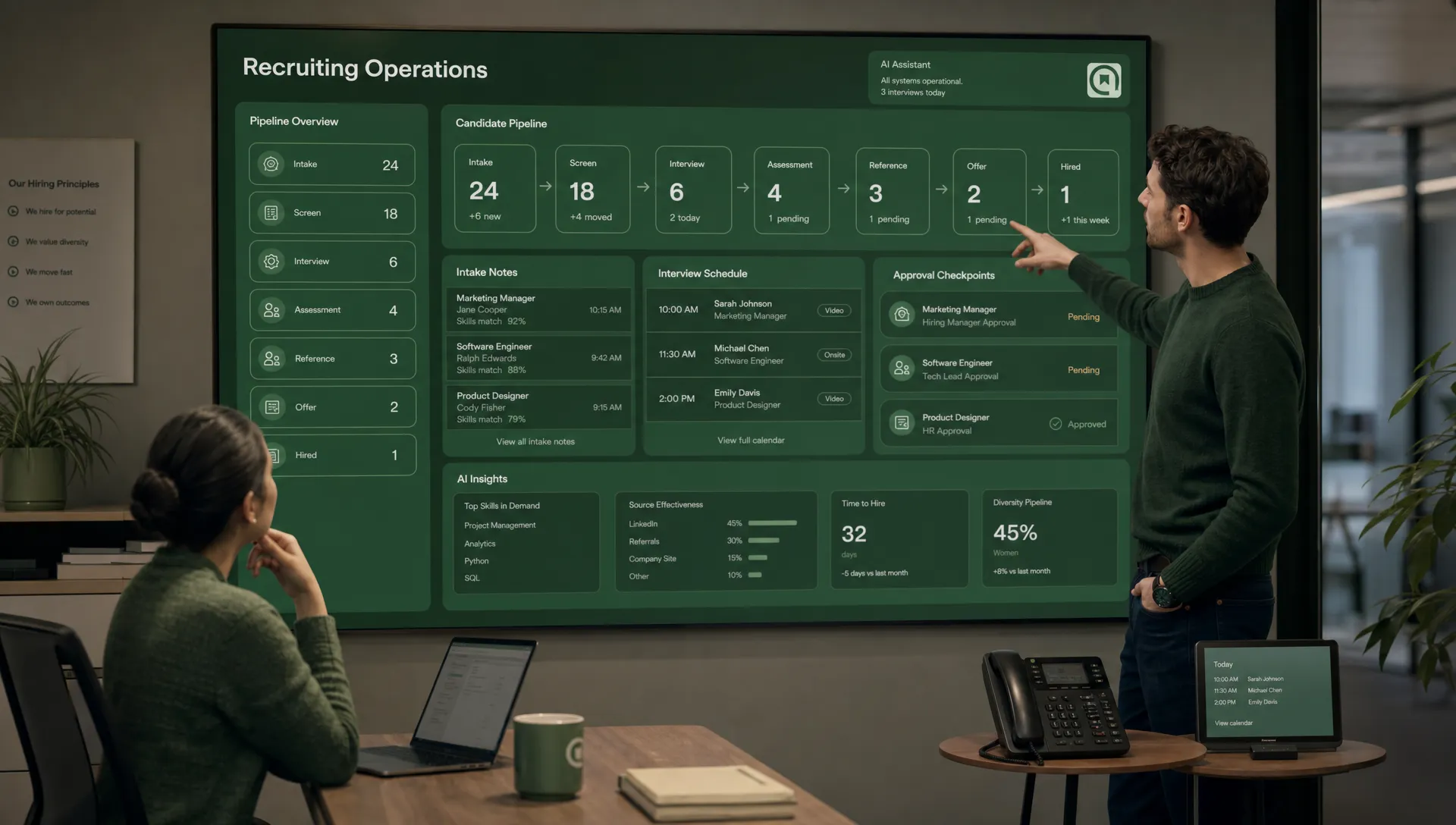
The AI recruiting tools market has moved past novelty. In 2026, the question is no longer whether AI can write a Boolean string, summarize a resume, or draft a candidate message. The real question is whether a tool can remove recruiting friction without creating a new problem in compliance, candidate experience, data quality, or recruiter trust.
Most hiring teams do not need seven new platforms. They need one or two tools that fit a specific bottleneck. An agency may need faster client intake and shortlist creation. An enterprise TA team may need better rediscovery across a large talent database. A high-volume employer may need 24/7 candidate engagement and interview scheduling. A small recruiting team may simply need better interview notes and follow-up discipline.
This guide compares seven AI recruiting tools worth testing in 2026, with a practical lens: where each tool fits, what to test first, and what to watch before you roll it out broadly.
What makes an AI recruiting tool worth testing in 2026?
A good recruiting AI tool should not just feel impressive in a demo. It should improve a measurable part of your hiring workflow while keeping recruiters accountable for decisions.
That matters because AI in hiring is under more scrutiny than ever. The EEOC has emphasized that employers can still be responsible when software, algorithms, or AI tools create discriminatory outcomes. The NIST AI Risk Management Framework is also a helpful reference for thinking about governance, measurement, and risk controls.
For recruiting teams, that translates into a simple buying principle: test AI where it supports structured work, not where it silently replaces judgment.
The strongest AI recruiting tools in 2026 tend to share a few traits:
- They solve a specific workflow problem, such as intake, sourcing, screening, scheduling, interviews, or follow-up.
- They show evidence for recommendations instead of producing unexplained scores.
- They keep humans in control of candidate-facing decisions and messages.
- They integrate with the ATS, CRM, calendar, email, and communication tools your team already uses.
- They improve candidate experience, especially response times, scheduling speed, and clarity.
- They support data privacy, access controls, and auditability.
If you want a deeper checklist before comparing vendors, CandiDesk has a useful guide on what to look for in AI recruitment software.
Quick comparison of 7 AI recruiting tools
Use this table as a starting shortlist, not as a final verdict. The best tool depends on your hiring volume, role complexity, tech stack, and risk tolerance.
| Tool | Strongest fit | What to test first | Watch closely |
|---|---|---|---|
| CandiDesk | Agencies and HR teams that need intake-to-interview workflow automation | Intake quality, evidence-based candidate scoring, human-approved outreach, scheduling | Integration setup, approval rules, recruiter adoption |
| Paradox | High-volume and frontline hiring | Candidate chat, screening flows, interview scheduling | Bot fallback, tone, candidate drop-off |
| HireVue | Structured interviewing and assessments at scale | Interview consistency, assessment workflow, candidate completion | Validation, accessibility, adverse impact monitoring |
| Eightfold AI | Enterprise talent intelligence and skills-based matching | Talent rediscovery, internal mobility, matching quality | Data quality, explainability, governance |
| SeekOut | Sourcing hard-to-find talent | Search relevance, talent pool building, outreach conversion | Profile freshness, data coverage, outreach personalization |
| Metaview | Interview notes and recruiter productivity | AI-generated notes, summaries, scorecard completion | Consent, transcript accuracy, interviewer behavior |
| Gem | Outbound recruiting CRM and campaign execution | AI-assisted messaging, nurture campaigns, funnel visibility | Data hygiene, sender reputation, attribution |
The 7 AI recruiting tools worth testing
1. CandiDesk
CandiDesk is built for agencies and HR teams that want an AI-first assistant layer across the recruiting workflow. Its strongest fit is not a single isolated task, but the operational handoffs that usually slow hiring down: client or hiring manager intake, screening, outreach drafting, scheduling, and pipeline updates.
The platform can turn client briefs into structured intake, score candidates with evidence, support AI chat and voice calls, draft outreach for human approval, automate interview scheduling, and sync pipeline or calendar updates. It also supports multi-language outreach and integrations with ATS, CRM, and communication tools.
That makes CandiDesk especially relevant if your team is dealing with inconsistent intake notes, slow screening, manual follow-up, or recruiters spending too much time coordinating instead of advising. The key differentiator is human control. Candidate-facing messages are approved by a person before they go out, which helps teams gain speed without turning recruiting into an unsupervised automation workflow.
A good first pilot is a role type your team handles repeatedly. Compare the old process against the AI-assisted process on time to qualified shortlist, response rate, interview scheduling time, and recruiter hours spent on admin.
2. Paradox
Paradox is best known for conversational recruiting automation, particularly for high-volume hiring environments. Its assistant, often associated with candidate chat and scheduling, is designed to help employers engage applicants quickly, answer common questions, screen for basic requirements, and move candidates toward interviews.
This can be valuable in frontline, retail, hospitality, logistics, healthcare support, and other roles where candidate response speed matters. In these workflows, the biggest problem is often not a lack of applicants. It is that candidates apply after hours, miss recruiter calls, or accept another job before anyone follows up.
When testing Paradox, focus on completion rates and candidate satisfaction. Does the chat experience feel clear and respectful? Are candidates getting routed correctly? Are recruiters spending less time chasing scheduling confirmations? Also test the fallback path. When a candidate has a non-standard question, the system should make it easy to reach a human.
Paradox is worth testing if your funnel loses qualified candidates because of slow response times or scheduling friction.
3. HireVue
HireVue is a strong candidate for teams that use structured interviews, assessments, or high-volume screening workflows and want a more standardized process. It is often associated with video interviewing and assessment workflows, which can help teams evaluate candidates more consistently across many openings or locations.
The main value of a tool like HireVue is process discipline. If your interview process varies wildly by recruiter, region, or hiring manager, structured interview workflows can create a more consistent candidate evaluation experience. For distributed teams, asynchronous interviews can also reduce scheduling bottlenecks in early stages.
A smart HireVue pilot should not be limited to speed. Look at candidate completion rates, accessibility, hiring manager satisfaction, interview consistency, and whether the assessment criteria are clearly job-related. If a tool supports automated insights, make sure your team understands how those insights are used and what evidence backs them.
HireVue is worth testing when interview standardization is a bigger problem than candidate sourcing.
4. Eightfold AI
Eightfold AI is positioned around talent intelligence, skills-based matching, and workforce visibility. It is most relevant for larger organizations with enough candidate, employee, and role data to make matching and rediscovery valuable.
For enterprise recruiting teams, one of the biggest inefficiencies is that talent already exists somewhere in the system, but nobody can find it when a new role opens. Past applicants, silver medalists, employees with adjacent skills, and internal mobility candidates often sit in disconnected databases. Talent intelligence platforms aim to make that data usable.
Eightfold is worth testing if your organization wants to move toward skills-based hiring, internal mobility, or better use of existing talent pools. A good pilot might focus on one business unit or role family. Measure whether the tool finds qualified people your recruiters would otherwise miss, whether recommendations are explainable, and whether hiring managers trust the matches.
The caution is data quality. AI matching is only as useful as the information it learns from. Before piloting talent intelligence, make sure job architecture, candidate records, and skills data are clean enough to support meaningful recommendations.
5. SeekOut
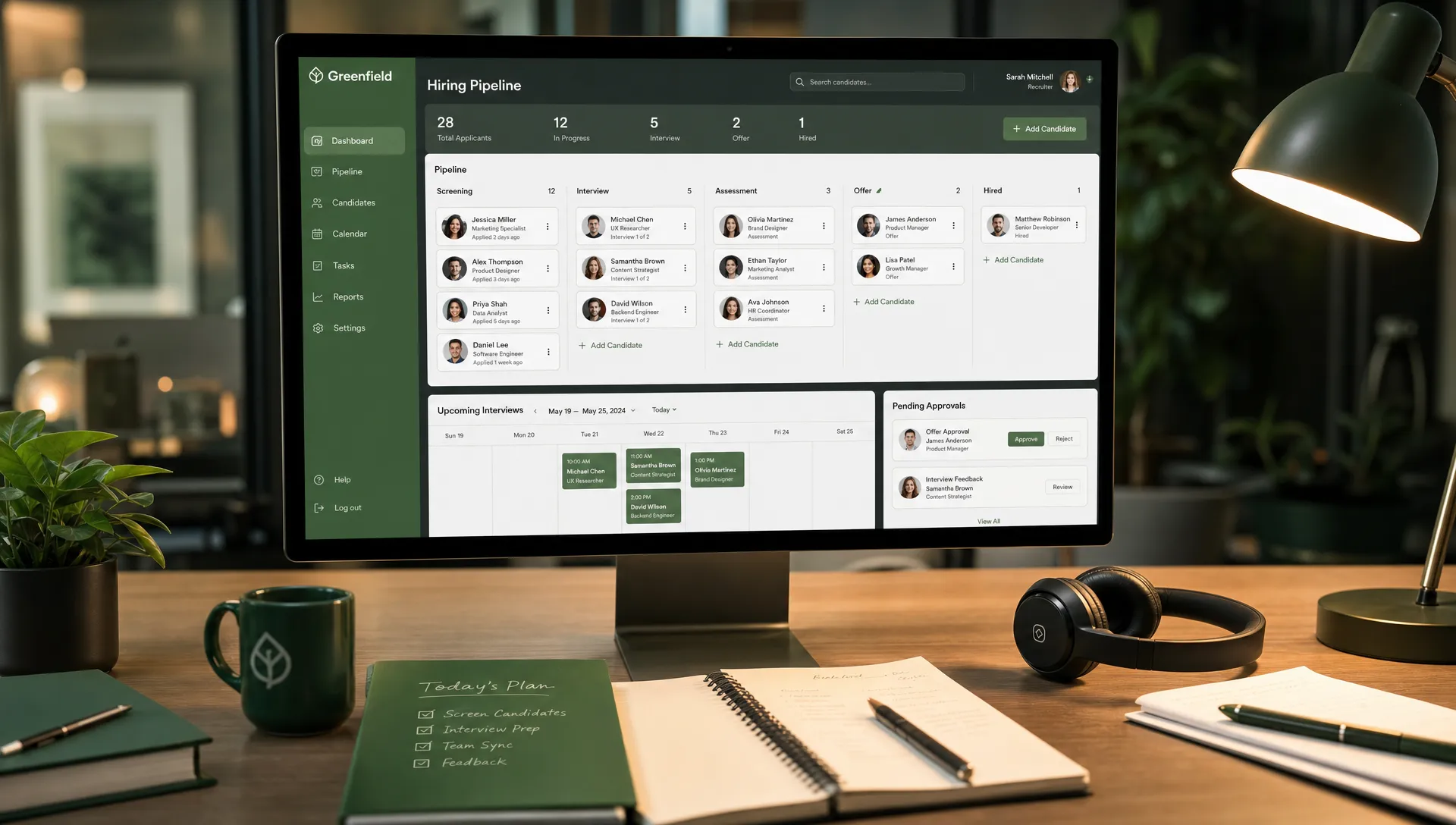
SeekOut is most useful for teams focused on sourcing and talent discovery, especially for specialized, competitive, or hard-to-fill roles. It helps recruiters search across talent pools, identify prospects, and build outreach lists with more precision than manual searching alone.
This type of AI recruiting tool is particularly relevant when your constraint is not process speed, but market visibility. For example, technical recruiters, executive search teams, and niche agencies often need to find candidates who are not actively applying. AI-assisted search can help uncover adjacent titles, related skills, and profiles that a narrow keyword search may miss.
The best way to test SeekOut is with a real requisition that has been difficult to source. Compare the tool against your current sourcing process on profile relevance, diversity of search results, contactability, and outreach conversion. Also pay attention to how much editing recruiters need to do before outreach feels specific and credible.
SeekOut is worth testing if your recruiters are spending too much time finding prospects and not enough time engaging them.
6. Metaview
Metaview addresses a different problem: what happens during and after interviews. Recruiters and hiring managers often leave interviews with incomplete notes, inconsistent scorecards, and delayed feedback. That creates slower decisions and weaker alignment.
AI interview note tools can help by generating summaries, capturing key discussion points, and supporting faster scorecard completion. For recruiting teams with frequent interview loops, that can reduce admin time and improve the quality of feedback sent to decision makers.
A good Metaview pilot should focus on accuracy and behavior change. Are the notes faithful to what was actually said? Do interviewers still ask structured, job-related questions, or do they become too passive because the AI is recording? Does the tool help hiring teams make faster decisions without reducing the quality of discussion?
Consent is also critical. Recording, transcription, and note generation should be handled transparently and in line with your legal and privacy requirements.
Metaview is worth testing if interviews are happening, but decisions are delayed because feedback is scattered, late, or inconsistent.
7. Gem
Gem is a strong option for recruiting teams that rely on outbound sourcing, talent nurturing, and pipeline analytics. It is less about replacing recruiters and more about helping teams manage candidate relationships at scale.
For outbound recruiting, the hard part is consistency. Recruiters need to personalize messages, follow up at the right time, track engagement, and understand which campaigns are actually producing qualified pipeline. AI-assisted messaging and automation can help, but only if the underlying data is clean and the outreach still feels human.
A Gem pilot should focus on a sourcing campaign with clear goals. Look at reply rates, qualified response rates, meeting conversion, unsubscribe or negative response signals, and recruiter time spent writing and tracking follow-ups. If your team already has a CRM problem, clean up ownership rules and data hygiene before expecting AI to fix the funnel.
Gem is worth testing if your team has strong sourcing discipline but needs better execution, visibility, and follow-up consistency.
How to run a low-risk AI recruiting tools pilot
The biggest mistake teams make is testing AI as a broad transformation project. Start smaller. Pick one workflow, one role family, and one clear success metric. A narrow pilot gives you cleaner data and makes it easier for recruiters to trust the outcome.
If your main goal is speed, identify exactly where time is being lost. Is intake vague? Are recruiters screening manually? Are candidates waiting too long for replies? Are interviews stuck in scheduling loops? CandiDesk explains these workflow bottlenecks in more detail in its article on how AI in recruitment helps teams hire faster.
Use a simple measurement plan before you start:
| Metric | Why it matters |
|---|---|
| Time to qualified shortlist | Shows whether AI improves early-stage speed |
| Candidate response rate | Indicates whether outreach quality is improving |
| Interview scheduled rate | Measures whether automation reduces coordination friction |
| Recruiter admin time | Shows whether the tool saves meaningful hours |
| Hiring manager satisfaction | Tests whether outputs are trusted by stakeholders |
| Candidate experience feedback | Protects against speed gains that feel impersonal |
| Auditability | Confirms that decisions and recommendations can be reviewed |
A practical pilot should also include a human review process. Recruiters should inspect AI-generated shortlists, review low-ranked candidates, approve outreach, and document where the tool was helpful or wrong. This is especially important for screening and scoring use cases, where unexplained automation can create risk.
Keep these pilot rules simple:
- Start with one repeatable workflow instead of the entire hiring process.
- Run the AI-assisted process alongside your current process for comparison.
- Review both recommended and rejected candidates for quality and fairness.
- Require human approval before candidate-facing messages or status changes.
- Document what data enters the tool, where it is stored, and who can access it.
A successful pilot does not prove that AI should run recruiting. It proves that a specific tool can help your recruiters make better, faster, more consistent decisions in a controlled workflow.
Frequently Asked Questions
What are AI recruiting tools? AI recruiting tools are software platforms that use artificial intelligence to support hiring tasks such as intake, sourcing, screening, candidate engagement, interview scheduling, interview notes, outreach drafting, and pipeline updates.
Which AI recruiting tool is best in 2026? The best tool depends on your bottleneck. CandiDesk fits intake-to-interview automation, Paradox fits high-volume candidate engagement, HireVue fits structured interviews, Eightfold fits talent intelligence, SeekOut fits sourcing, Metaview fits interview notes, and Gem fits outbound CRM workflows.
Can AI recruiting tools replace recruiters? They should not replace recruiters in hiring judgment. The strongest use case is assisting recruiters by reducing repetitive work, improving consistency, and surfacing evidence so humans can make better decisions.
Are AI recruiting tools compliant with hiring laws? A tool is not automatically compliant just because a vendor says it uses AI responsibly. Employers should review how the tool works, monitor outcomes, maintain human oversight, and consult legal or compliance teams when using AI in selection workflows.
How long should an AI recruiting pilot run? Many teams can learn a lot from one full hiring cycle, but the right timeline depends on role volume. High-volume teams may get useful data in weeks, while specialized hiring teams may need several months to compare outcomes fairly.
Do AI recruiting tools integrate with existing ATS and CRM systems? Many do, but integration depth varies. Before buying, confirm whether the tool can sync with your ATS, CRM, calendar, email, messaging tools, and reporting workflows in the way your recruiters actually need.
Ready to test AI where recruiters actually lose time?
The best AI pilot is not the flashiest one. It is the one that removes a real bottleneck from your hiring process while keeping recruiters in control.
If your team wants to improve intake, screening, outreach drafting, scheduling, and pipeline updates without giving up human approval, explore CandiDesk. It is built for agencies and HR teams that want a faster, more consistent recruiting workflow with AI working in the background and recruiters making the calls.

Nikon Mazur
Nikon is a recruiting technology specialist with over five years of hands on experience building HR and hiring software, and the co founder of CandiDesk.
LinkedIn Profile